The Odyssey - Story, Journey and Legacy of Odysseus
Divided into 24 books, The Odyssey is one of the few literary works that, over the centuries, has shaped the desire for adventure and navigation, narrating them from a nostalgic perspective.
The profound longing to return to one's roots is indeed one of the central themes of the epic, which blends philosophy, geography and myth in a dance of discovery of resilience.
These topics remain relevant today because they speak to human experiences that have not only been lived, but continue to be. The desire to return home, mixed with fear of the unknown, loss, and the courage to move forward, are all keys that has united humans throughout history.
What’s The Odyssey About?
The Odyssey, called Ὀδύσσεια in ancient Greek, is a work attributed to the poet Homer, recounting the complex journey homeward of Odysseus, King of Ithaca, after the end of the decade-long Trojan War.
The protagonist is widely known as Odysseus or Ulysses, names that refer to the same figure: the former is his Greek name, while the latter is the Latin version.
Here, we unexpectedly learn that his return home also took another decade, turning his journey into a twenty-year quest if we count from the time he was at war. This meant that during his absence, his wife Penelope and his son Telemachus waited for him, unsure whether he was still alive or not.
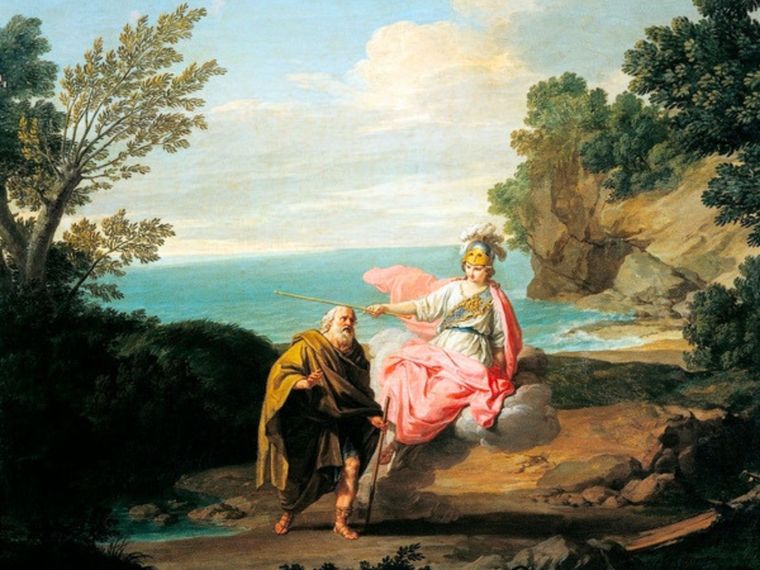
The poem begins, in fact, with his son Telemachus who grows into an adult while waiting for a father he barely remembers, while Odysseus, stranded on Calypso's island, nostalgically recalls his beloved city of Ithaca and the life he left behind. But after a thousand vicissitudes, it all ends with him returning to his roots, rediscovering his identity after years of confusion.
The Odyssey is the story of a man trying to go home, whose journey was shaped by storms, gods, monsters, temptations, and moments of human weakness. His wisdom and strategic planning played a vital role in the Greek victory in the Trojan War, but his longing for Ithaca was so strong that it drove him forward even when he was trapped by the promise of comfort.
The poem explores all this together with the tension between wandering and belonging, while jigging through the divine and the mortal world.
Who Wrote The Odyssey?
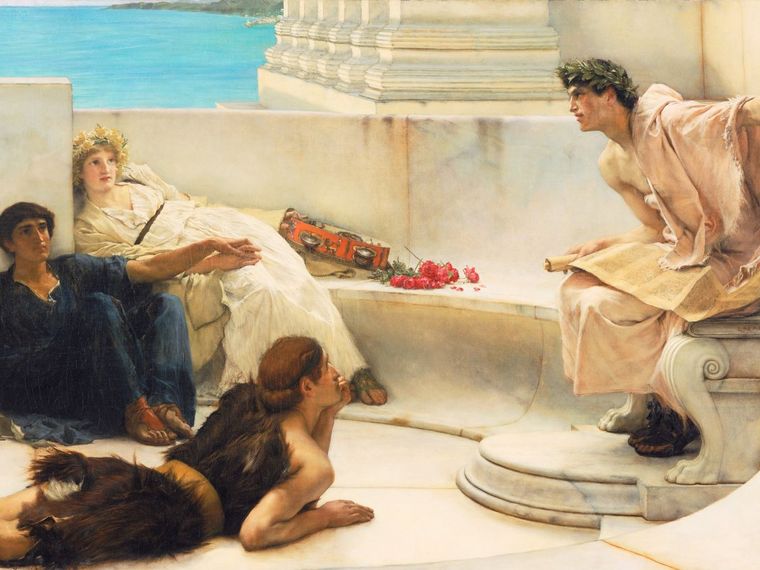
The great epic narrative of heroic and legendary acts is usually attributed to Homer and is linked to the famous "Homeric Question”, which casts doubt on whether he actually wrote the Iliad, the Odyssey, the Homeric Hymns, and other works.
It’s said that the single author was actually a collective of different writers, since the authorship of his work was already questioned in the 3rd century BC, at the philological school of Alexandria in Egypt. The Iliad and the Odyssey were written in Homeric language, an exclusively literary lingo that combines Greek dialects.
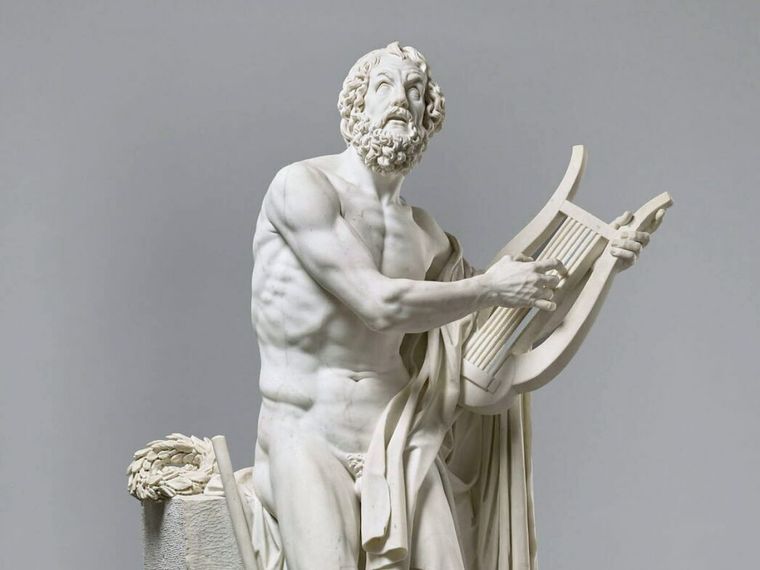
A rather curious fact about these poems is that while the Iliad goes into detail, focusing on the final days of the war, the Odyssey focuses on events after the Trojan War, and therefore can be read independently.
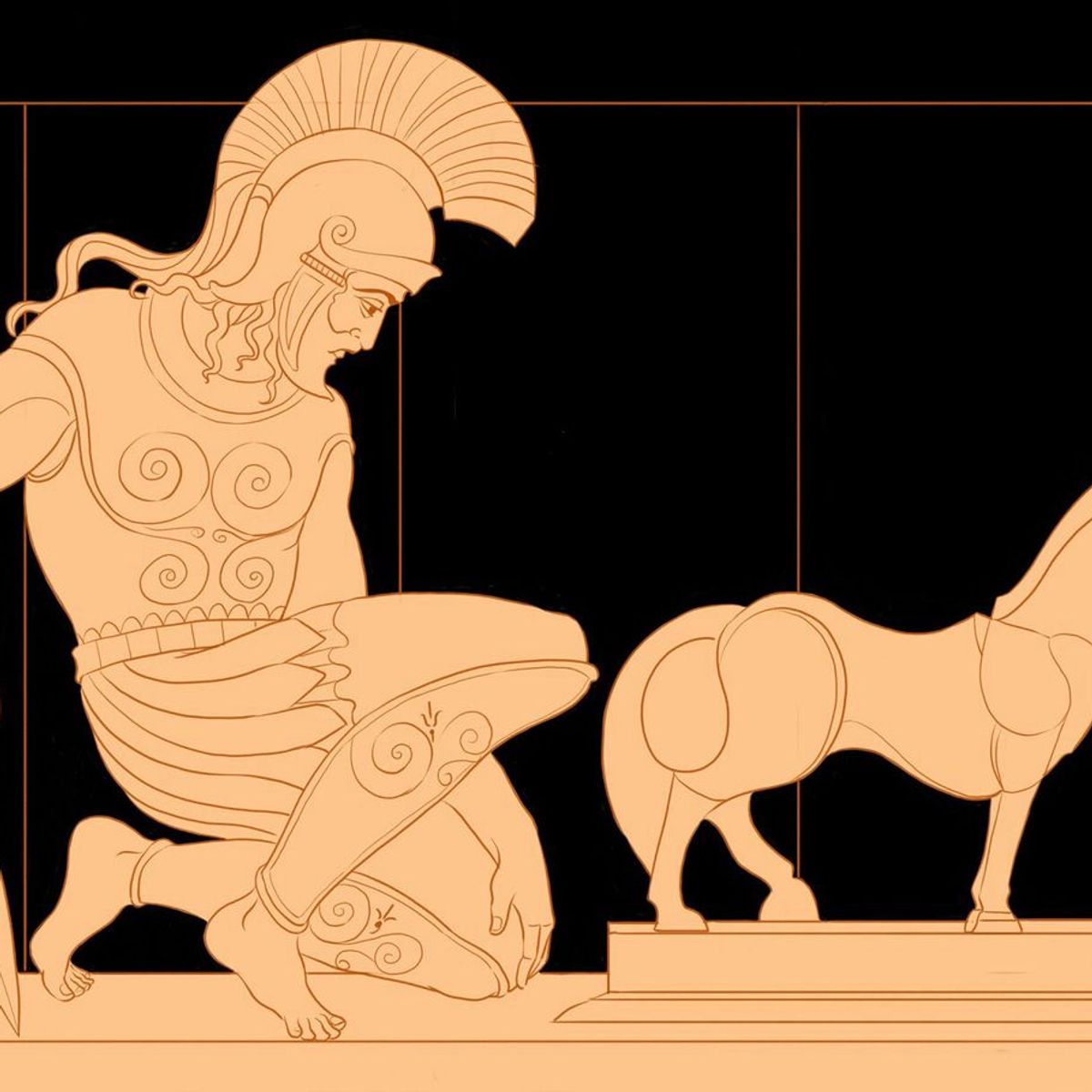
And it’s precisely here that we can see how much the Odyssey has influenced Greek and Western culture itself. One of the most famous passages, even taught in schools, is the story of the Trojan Horse, whose creation Odysseus planned, resulting in victory for the Greeks.
Despite the many heroic accomplishments attributed to him, the protagonist is rendered as human as possible with his flaws. Curiosity, pride, and occasional recklessness occasionally lead him to make mistakes and enter danger, shaping the trials he must overcome.
The Epic's Geography - Where Did Odysseus Travel?
The twenty years that Odysseus spent away from home didn’t go unnoticed by his wife Penelope, who had to endure not only his absence, but also a myriad of people who proposed to her to become the next King of Ithaca. This also affected her son's growth, and Ithaca's decline all unfolded in the shadow of Ulysses' prolonged absence.
The mapping of his journey is quite intriguing, because despite not being that far from home, it took him another ten years to return. This is because the poem's geography also contains fictional locations, which have never been mapped over the centuries.
Many scholars have attempted to identify places like Cyclops's island with Sicily, Circe's home with central Italy, and the Sirens with the waters near Capri. But there is no definitive proof; the Mediterraneanhas become a literary symbol of the union between myth and reality, reflecting the ancient world's limited but expanding knowledge of global geography.
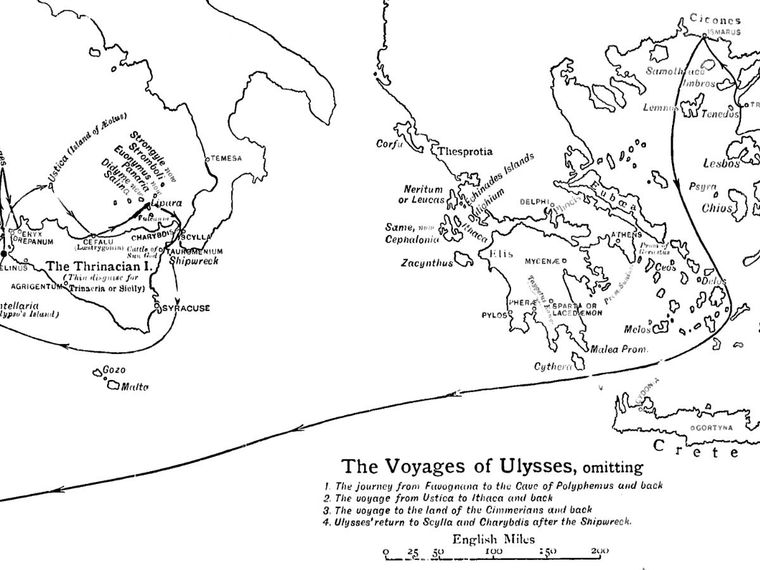
Odysseus's journey was even more epic than this, considering he spent the war years in Troy, which we can identify as today’s Hisarlik, in Turkey. Many attempts to reconstruct his travel also connect it to the Aeolian Islands, the Peloponnese, Djerba in Tunisia, and, of course, Italy.
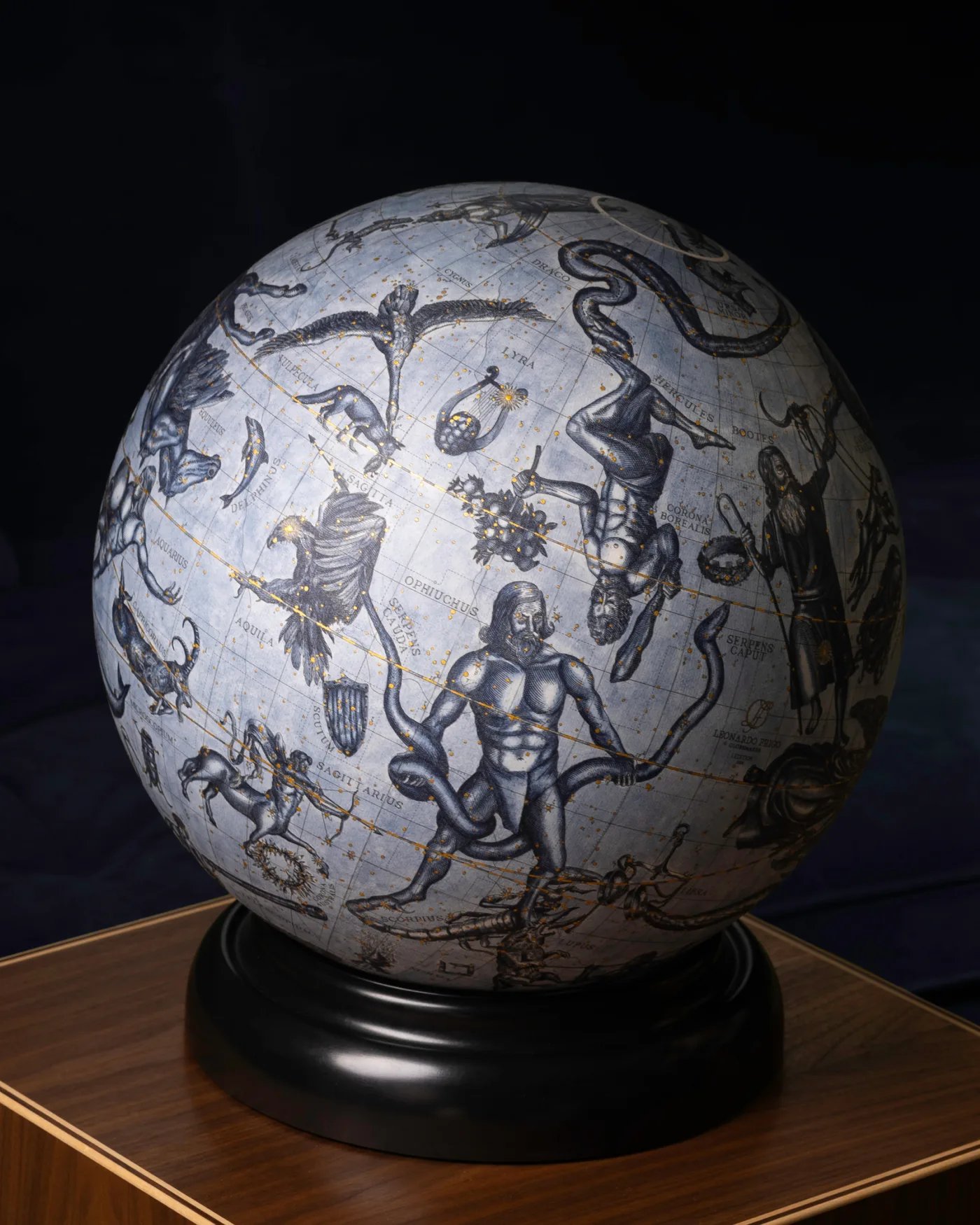
Both ancient and modern terrestrial globes help identify all the places he visited. In ancient times, they were widely used to map navigation across waters; the geography of the time, while lacking the detail we have today, allows us to determine sites. By delving into this realm, one should think with the mindset and see with the eyes of the time.
It's certainly worth comparing with modern maps and globes from around the world, especially Western ones, which should be more accurate in terms of Greek history. It's interesting to see that, despite many being mythical areas, we can attempt to attribute them to a lived reality that still lingers in the air.
Adventure and Identity as Symbols of Change
What makes the Odyssey so enjoyable to read and explore are the themes enclosed in a bubble of mystique. Odysseus's journey is shaped by countless encounters and dangerous situations. One of the best-known passages begins with him and his fleet landing in the land of the Lotus-Eaters after sacking the city of Ismara.
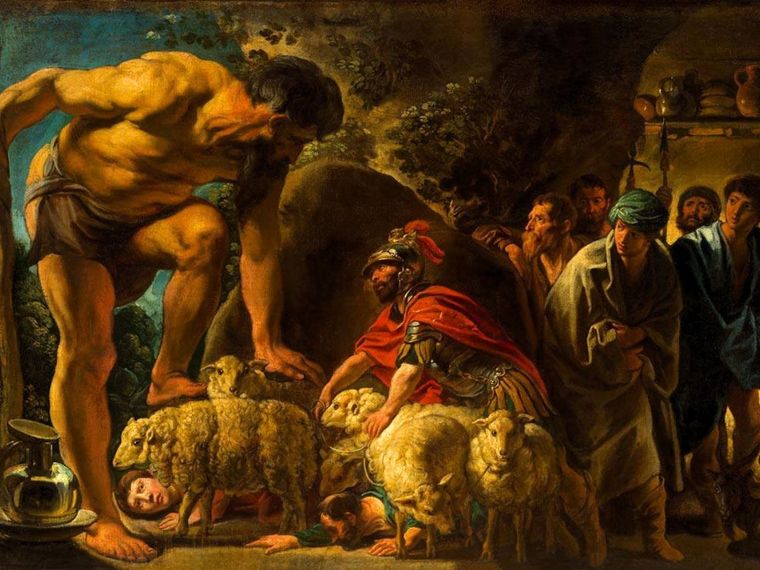
Captured by the Cyclops Polyphemus, son of Poseidon and Thoosa, they managed to escape by blinding his one and only eye, fleeing his cave by hanging from the bellies of his sheep. During the run, Odysseus, blinded by pride, couldn’t resist calling his name, which unleashed Poseidon's rage.
This wasn’t his only fault. After their escape, they were captured by Circe, who transformed his men into animals before becoming an ally, highlighting a paradigm of danger and hospitality.
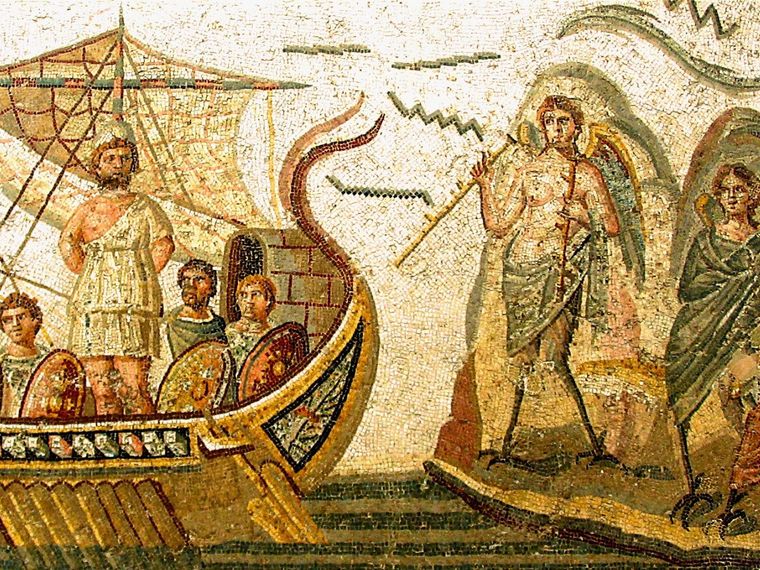
The Sirens subsequently tempt him with knowledge: he listens while tied to the mast, unable to resist their song. Scylla and Charybdis, on the other hand, represent impossible choices.
Calypso's island becomes a place of longing, where Odysseus rejects immortality to return home. His journey to the Underworld brings him face to face with the dead, who warn him of future dangers.
Finally, his return to Ithaca demands disguise, patience, and strategy before he reveals himself and restores order. The Odyssey concludes indeed with Odysseus's return to Ithaca and his reconciliation with Penelope, bringing final peace.
The themes explored in this long and complex journey are many, and much can be learned from them. Longing for his homecoming, curiosity, knowledge, identity, and disguise shaped his interactions, especially when he returned home disguised as a beggar. But loyalty and temptation also permeate Odysseus's commitment to Penelope, built by his encounters with Circe and Calypso.
Fate and divine power influence every step of his journey, particularly Poseidon's punishment. The sea itself becomes a character, representing danger and discovery. The meaning of the Odyssey lies in the exploration of humanity.
Ulysses From Dante's Perspective
The celebrated author Dante Alighieri, in Canto XXVI of the Inferno, reinterprets the figure of Odysseus, calling him Ulysses, as he employs the Latin version.
He completely transforms the main theme by stopping the protagonist from returning home and pushing him toward the Pillars of Hercules, which, located in the Strait of Gibraltar, marked for ancient Western culture the boundary beyond which lay the unknown ocean, unexplored and forbidden to mortals.
Dante's universe punishes his excessive thirst for knowledge, swallowing him in a vortex, causing his death at the hands of the sea. The character Dante shapes, becomes a man who seeks knowledge without divine permission, a rather curious interpretation that bridges mythology and literature.
The large illustration on my Dantesque’s globe shows Ulysses sailing beyond the Mediterranean Sea. A globe is an object for telling and visualising stories of the past, and in this one, Ulysses becomes a symbol of exploration.
Why The Odyssey Still Fascinates Us
Myths span time, cultures, and media, exploring themes related to the known and unknown worlds. There's a reason the Odyssey continues to fascinate readers: people connect through life experiences.While not everyone experiences the longing to return to one's roots, facing obstacles while making mistakes and falling into temptation helps one grow, and this is a feeling everyone knows.
Odysseus's journey mirrors our emotions and still inspires writers to compose, artists to depict his travels, and explorers to share his desire to push beyond the boundaries of a world full of possibilities.
The hero remains an eternal traveller: curious, imperfect, and determined. But it’s precisely these qualities and flaws that make him profoundly human. His work endures because it reminds us that every journey, however long or difficult, is a complex search for the living, inner self.
Related Topics
Did you enjoy this modern journey into Ulysses' world? Explore the contemporary vision by following in Dante's footsteps here!