The Grand Tour - How Travel, Maps and Collecting Shaped the European Imagination
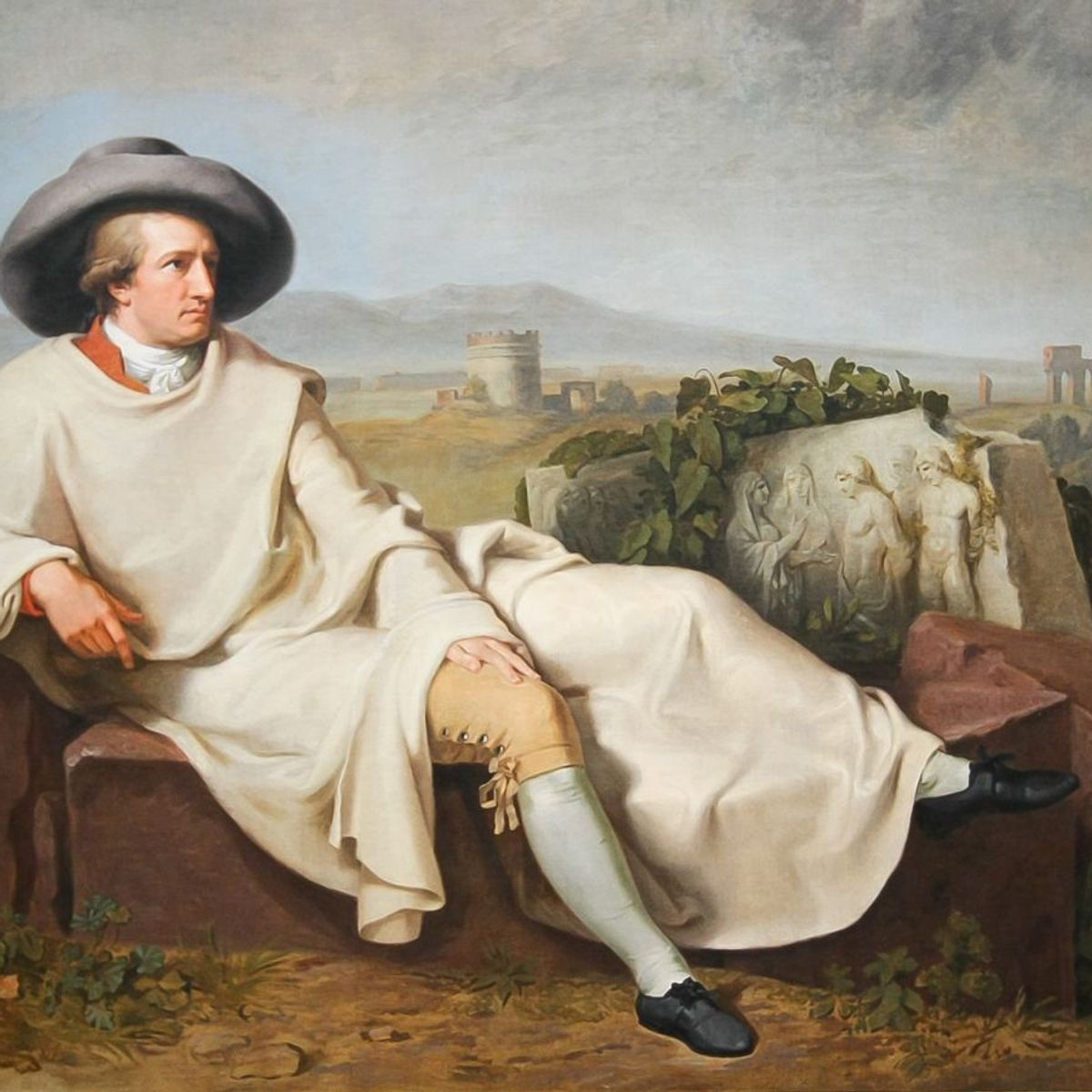
Among the numerous European traditions of centuries-old travel and adventure, the Grand Tour was definitely a remarkable one. It represented a cultural rite of passage, shaping a new reality by incorporating the world’s history and geography.
From the 17th to the early 19th century, Europeans’ mentality changed because of this meaningful pilgrimage, made possible by young aristocratic men of good rank, typically around 21 years old, who were typically accompanied by a tutor or family member.
Scholars and artists succeeded them, crossing the Alps to reach Italy, which back then was considered the symbolic heart of classical knowledge and artistic refinement.
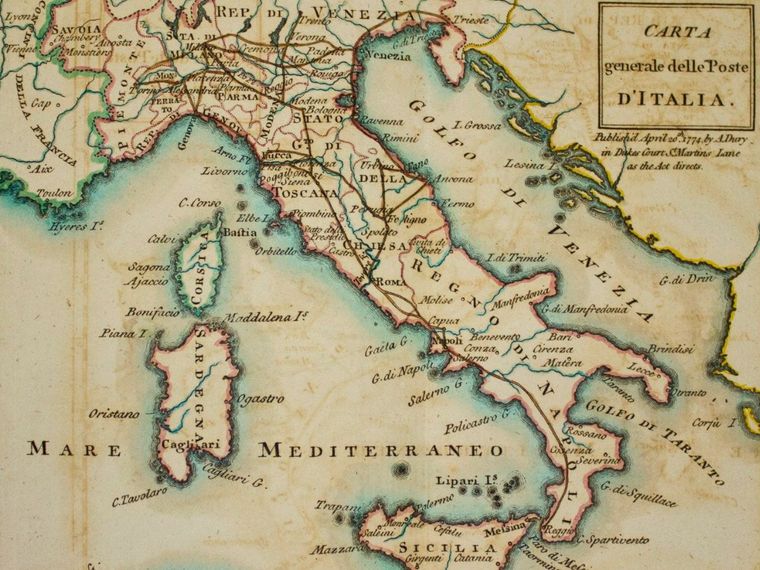
For multiple travelers the expedition lasted months, for others years, along itineraries that connected the cities of Turin, Venice, Florence, Rome, and Naples, each offering lessons in beauty, antiquity, and human achievement.
Moreover, we can define the Grand Tour as a cartographic experience. At the time, neither search engines nor GPS devices existed, so they were forced to navigate the lands and trace their itineraries with paper maps.
In addition to being used as useful orientation tools, these maps became emblems to be collected, especially those with new discoveries charted on them, or personal geographies marked by each individual.
They were almost seen like globes: prized objects rich in memories, a testament to the places visited and the knowledge acquired. Understanding the Grand Tour means understanding how travel, maps, and collecting intertwined to shape the European imagination.
Most common itineraries across generations
The Grand Tour’s itinerary wasn’t fixed, but subject to countless variations depending on the interests and financial possibilities of the individual traveller. It changed from generation to generation, but the most common and well-known are undoubtedly the departures from Britain to Turin, France.
British tourists usually began in Dover, England, and crossed the English Channel to reach Belgium or France. Given their wealth, many of these individuals hired French-speaking guides, as French was the dominant language of the European elite.
They were also always accompanied by a guardian known as a "bear-leader" (and, if wealthy enough, a host of servants), who could rent or purchase a carriage or opt for a riverboat journey to the Alps, up the Seine to Paris, or up the Rhine to Basel.
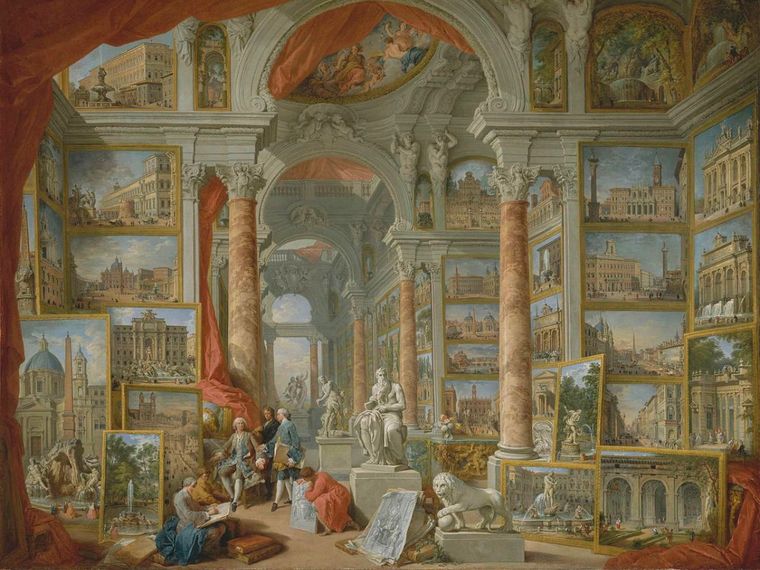
During their stay in Paris, they took advantage of learning the arts of dance, fencing, and horsemanship, sometimes accompanied by etiquette lessons to perfect the skills of those who would become their country's future leaders. Once in Italy, tourists would visit Turin, then travel through Padua on their way to Venice, before turning south toward Florence, Bologna, Rome, and eventually Naples.
The latter was seen by the British as a cultural highlight of the Grand Tour, as they stopped to study the ancient ruins and masterpieces of painting, sculpture, and architecture from the Medieval, Renaissance, and Baroque periods.
Some travellers also visited Naples to study music, admire the recently discovered archaeological sites of Herculaneum and Pompeii, and climb Mount Vesuvius. Naples was the usual last stop, but little by little, the more adventurous equipped with a yacht, began to explore Sicily to admire its archaeological sites, volcanoes, and Baroque architecture, or even end up in Greece.
Venice as the Gateway of Curiosity
Venice was often a must-see stop. The city was an open-air museum with its palaces, churches, and canals that still offer an overwhelming sensory experience. Map collectors also thrived here because Venice was the Italian home of collecting, with its book production, fine art printing, and enchanting cartography.
Shops near the Rialto Bridge sold engraved maps, city views, nautical charts, and globes. Many purchased their first Italian map here, a tangible beginning and a symbol of a growing archive of travel mementos.
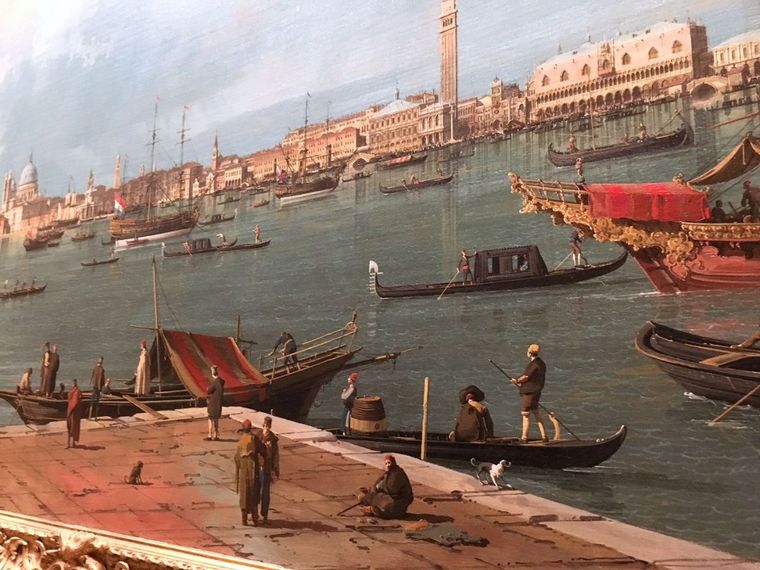
Venetian cartographers were seen as leading figures for their maps, prized for their precision and artistic mastery. For travellers on the Grand Tour, purchasing a Venetian map was a way to participate in this tradition.
This was also a handy souvenir because it could be rolled up, carried around, and then displayed in a home library. Small globes purchased in a shop, on the other hand, could accompany the traveller for the rest of the journey, slowly rotating as new places were added to the Tour itinerary.
The Florence of Art, Libraries and Architecture
From Venice travellers headed south to Florence, often following predetermined itineraries through Padua, Ferrara, and Bologna. Florence was the intellectual heart of the Tour, thanks to the fascination with its painting, sculpture, and architecture.
Visitors were often guided by local experts to better understand its works. They visited the Uffizi, admired Michelangelo's David, and explored the Medici collections. Today, the difference isn’t much: Florence still teaches us to observe.
But its purpose wasn’t only this. The city's workshops produced prints, plaster casts, small bronze sculptures, and illustrated books.
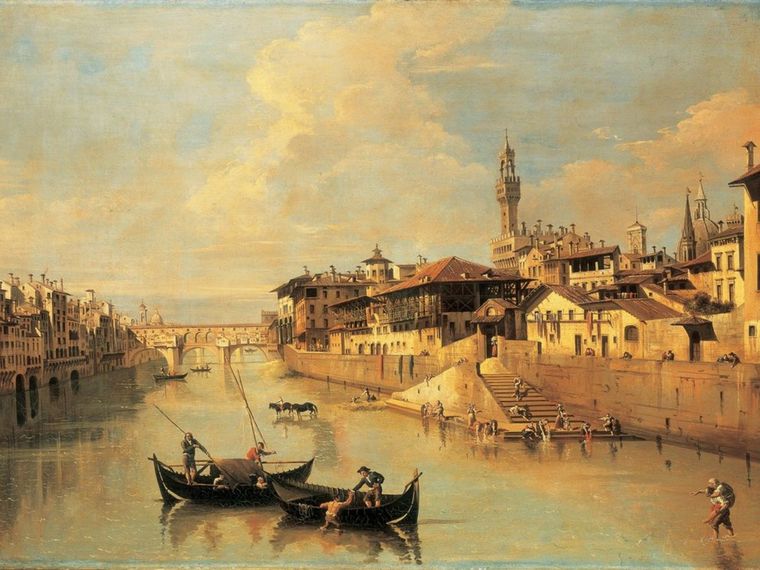
In these places, one could purchase reproductions of famous works of art and visit libraries whose manuscripts and early printed books revealed the depth of Italian erudition. Many sketched diagrams or purchased volumes to take home.
Florence was saturated with objets d'art, while city plans, regional maps of Tuscany, and engraved views were very popular purchases.
Rome as the Centre of Antiquity
Rome represented the pinnacle of the Grand Tour. Travellers often gathered on the hills to catch a glimpse of the city for the first time. With its ruins, churches, academies, and endless opportunities for study, the city forced peer-to-peer comparisons to make them feel the weight of history.
Although study was the focus, tourists also enjoyed other activities: strolling through the Forum, climbing the Capitoline Hill, visiting the Vatican, and admiring ancient sculptures. Small details of marble fragments, archaeological finds, engravings of ruins, and detailed maps of the ancient city at its peak were elements that kept the interest of young aristocrats alive.
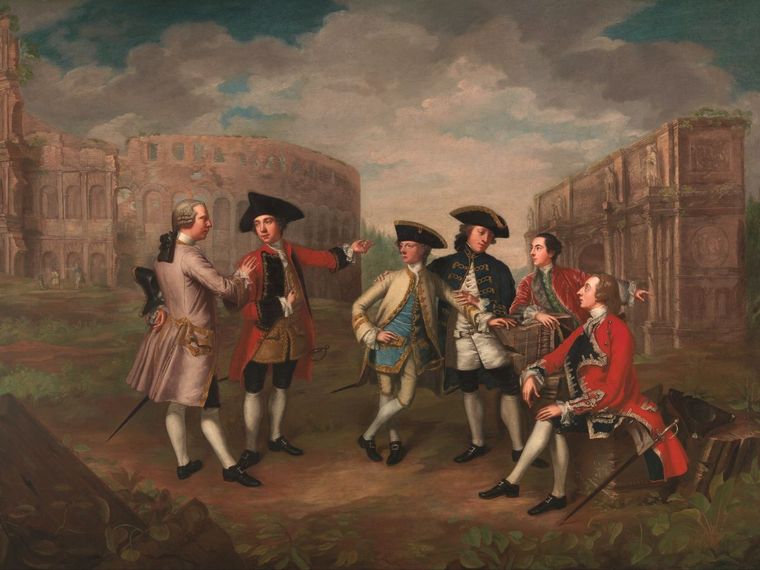
Roman maps were particularly valuable because they showed different layers of history, including the Rome of the emperors, of the popes, but also of modern streets and squares. Maps were used extensively here; they were a tool for orienting oneself in the city and later reconstructing history.
Rome also strengthened the symbolic power of the globe through the Vatican libraries and private collections, which today encompass centuries of history and culture through globes representing the known world at different historical moments.
These globes reminded travellers that their journey was part of a broader tradition of exploration, a link between ancient and modern Rome. A curious fact is that many travellers commissioned portraits in Rome, posing with maps, books, or globes; for them, it was a declaration of culture, curiosity, and open-mindedness.
Naples as the Edge of the Known World
For a long time, the last stop on the Grand Tour was Naples. Here, one could stroll through bustling streets and gaze out over the Gulf of Naples. Vesuvius loomed over the city, a reminder of nature's power; those excavating the volcano eventually purchased maps showing the eruptive zones.
In Pompeii and Herculaneum, on the other hand, people explored the excavations uncovered, revealing ancient houses, frescoes, and everyday objects preserved by the ash.
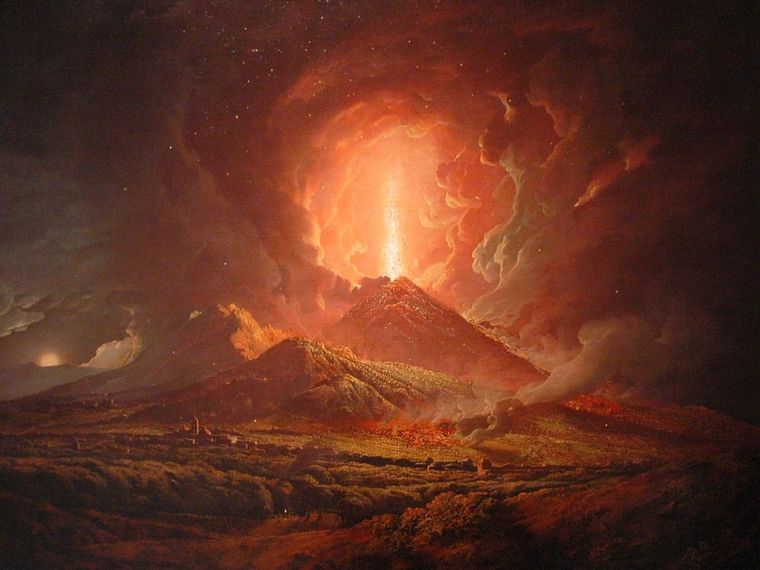
Naples undoubtedly changed Italy’s perception for its visitors. Here, antiquity wasn’t a distant concept, though one could discover a sense of humility that the richest cities or palaces didn’t exude.
Collecting thus became more personal, with a piece of volcanic stone or a small artefact from Pompeii carrying strong sentimental value.
Maps of the Gulf of Naples, geological diagrams of Vesuvius, and engravings of Pompeii were the purchases of the moment. They allowed travellers to take home both the majesty of the landscape and an incredible and indelible memory.
Returning Home: Libraries, Terrestrial and Celestial Globes and the Geography of Memory
The Grand Tour shaped the European imagination by teaching travellers to see the world as a bridge between places, stories, and meanings; it encouraged collecting as a means of preserving memory.
Seen from a traveller's perspective, upon returning home, they would’ve brought back boxes packed with objects including maps, prints, books, sculptures, minerals, and shells. These were certainly not left to rot; rather, the traveller had them carefully arranged, often in personal libraries and large display cases.
The globe occupied a special place of honour, symbolising the intellectual and emotional significance of the journey, since only by observing one could relive the cities that had the most impact, retracing itineraries, recalling encounters and discoveries.
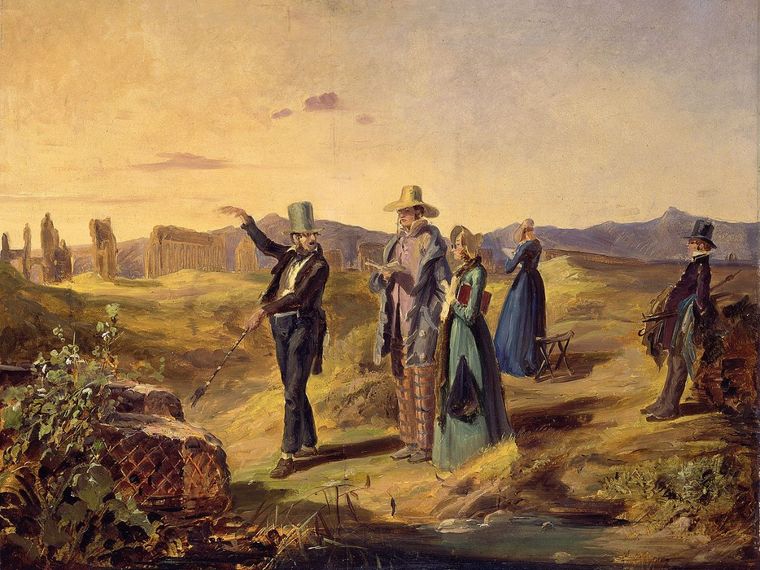
The globe preserved memories of landscapes, works of art, ruins, and conversations. It represented the world as it had been experienced, not just imagined.
Maps, on the other hand, were hung on walls or kept in binders. People used them to recount their adventures, pointing out the routes they had travelled to those who hadn't followed the tour or had not completed it.
The objects collected along the way thus became symbols of identity, shaping how one perceived oneself: education and curiosity were intertwined with history and part of a larger world.
Italy remained the central hub of this tradition: Venice offered curiosity, Florence art, Rome antiquity, and Naples humility. Together, they formed a journey through culture.
The Grand Tour Globe
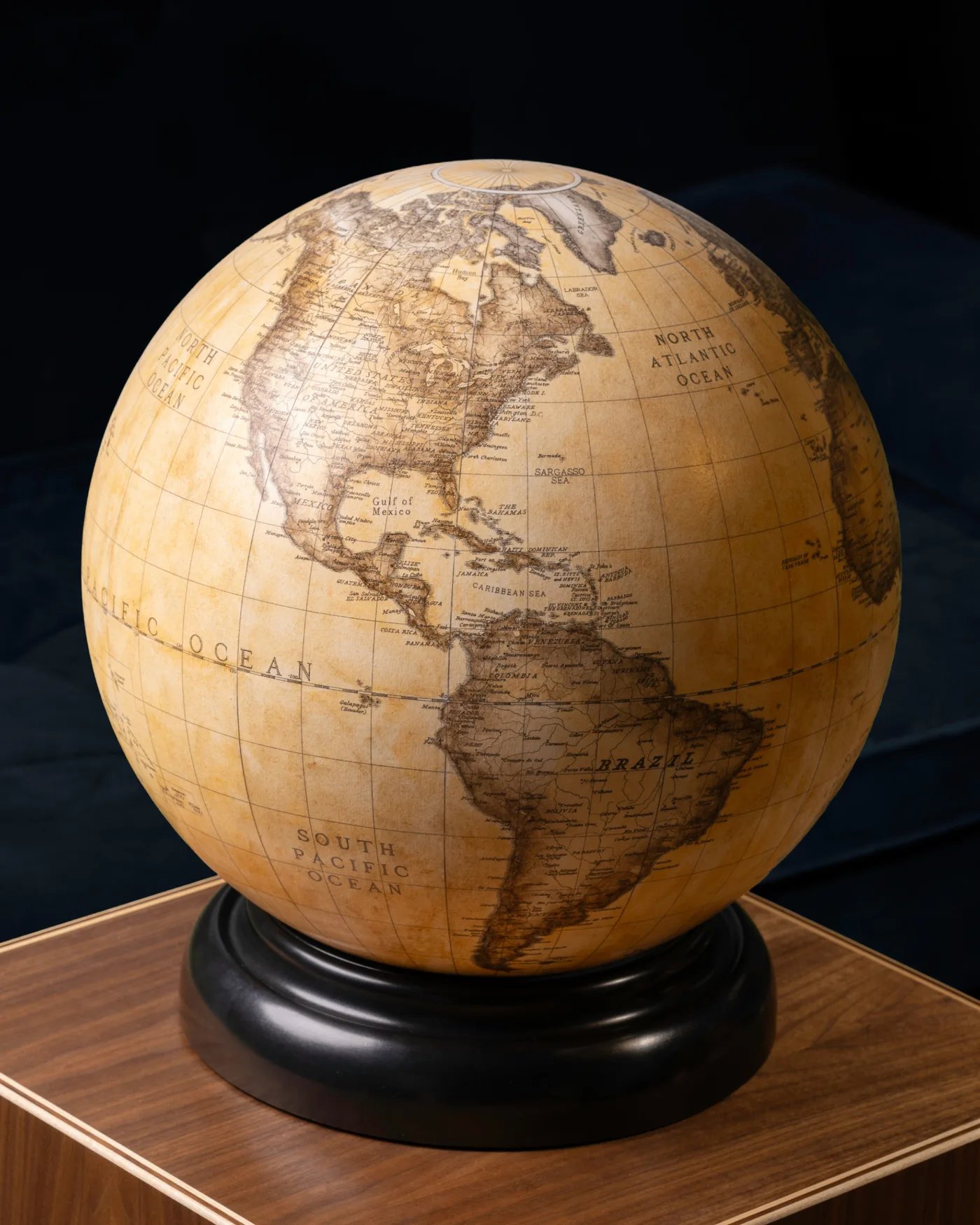
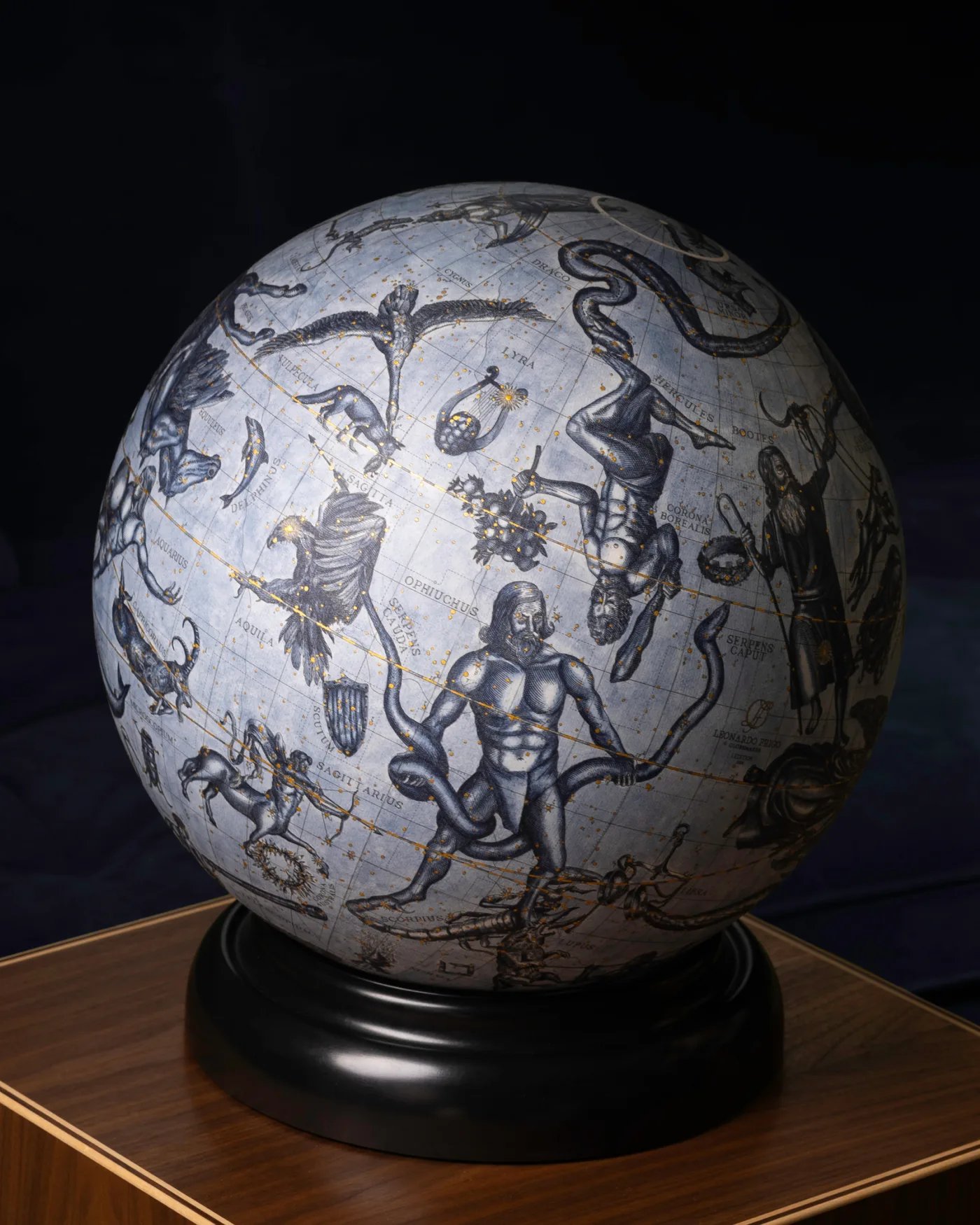
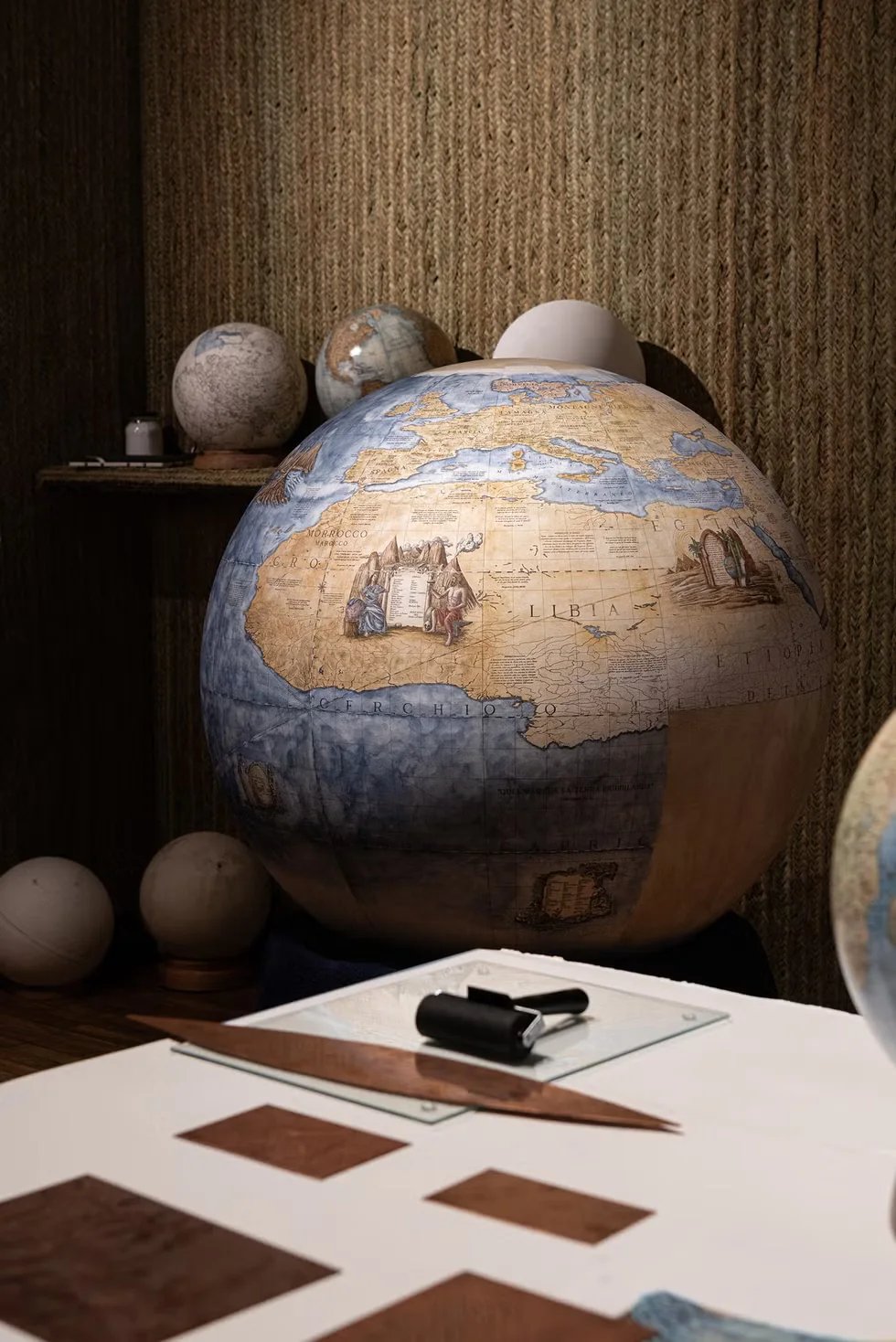
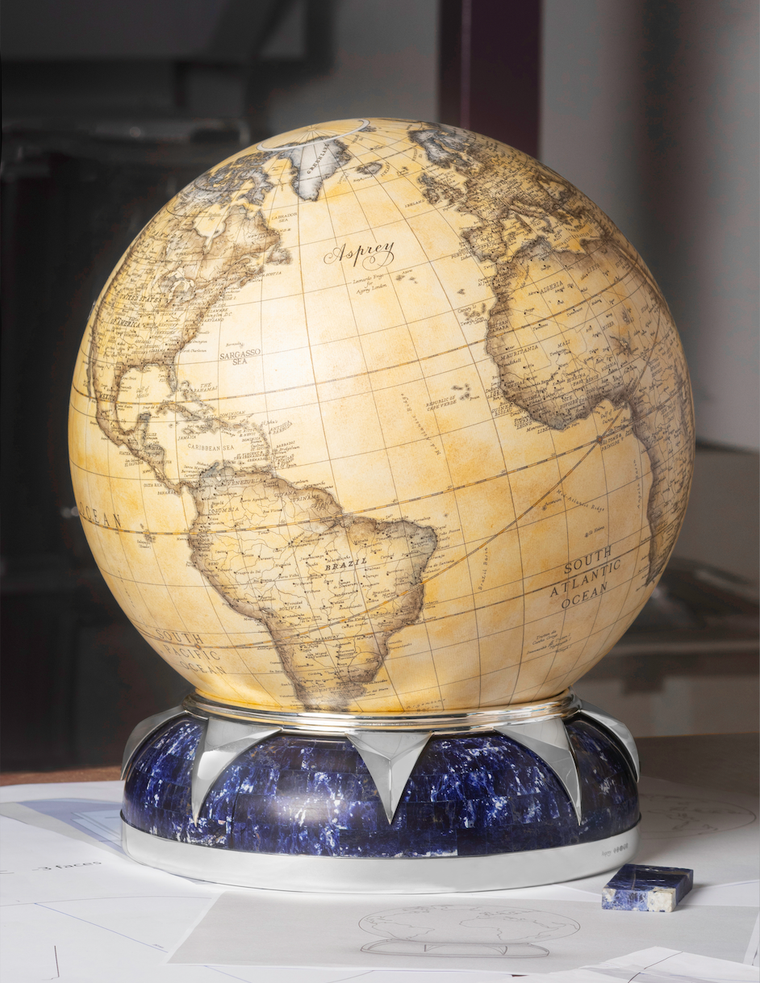
This same spirit, curiosity carried across borders, knowledge held in the hand - inspired The Grand Tour Globe, created by Leonardo Frigo to mark 145 years of Asprey London. The piece brings together British and Italian craftsmanship and heritage in a single object, continuing a tradition that once defined how travellers understood the world, and still does today.
Related Topics
The Grand Tour was undoubtedly an unprecedented event that revealed to travelers the profound and complex history of Italy. If you want to explore a bit of this experience, read here!