The San Zeno Astrolabe – Odyssey of a Medieval Astronomical Masterpiece
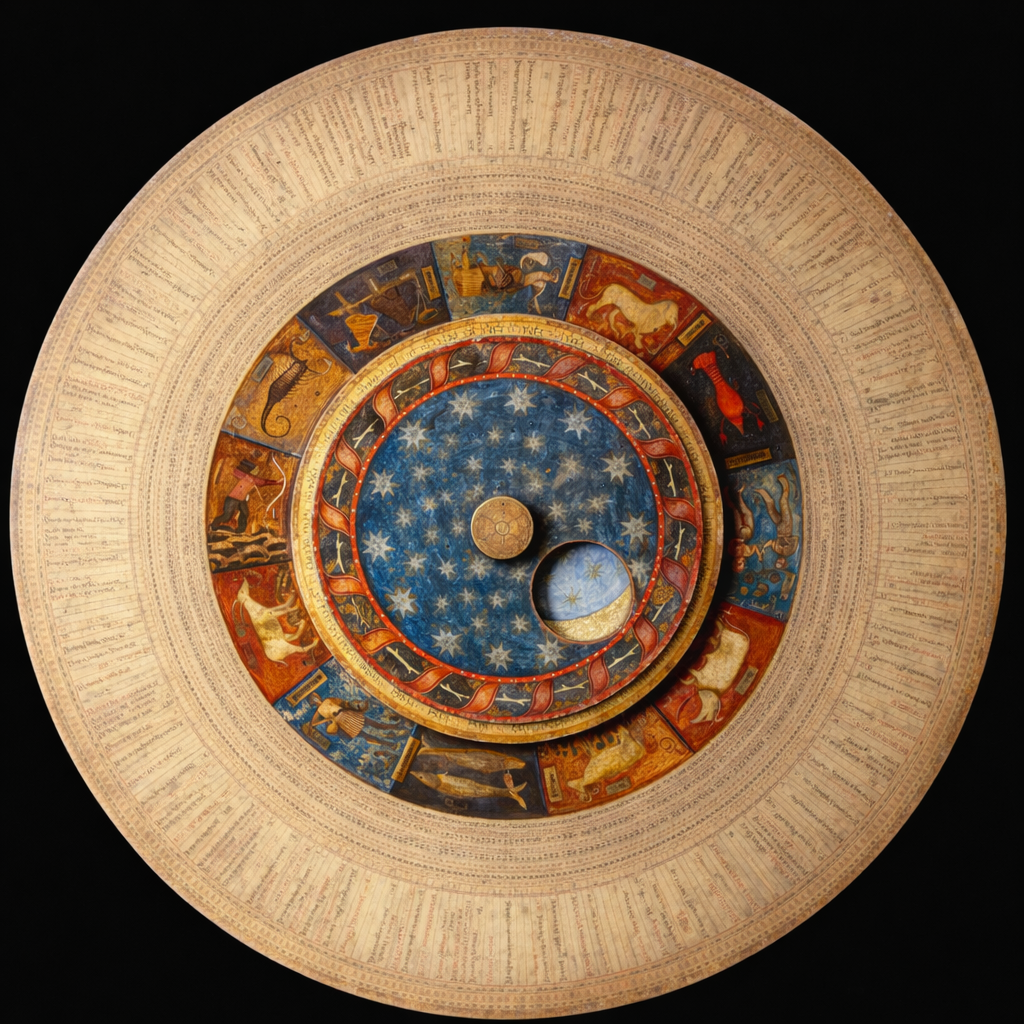
For over two thousand years, the astrolabe has been one of the most impressive scientific instruments ever constructed. Originating in the Hellenistic world and improved during the Islamic Golden Age and Medieval Europe, this instrument served as a portable model of the heavens.
It allowed its users to calculate time, determine the positions of the sun and stars, and solve problems in astronomy, navigation, and astrology. In an age before our now-commonplace digital devices, the astrolabe condensed the movements of the cosmos into a single, elegant object.
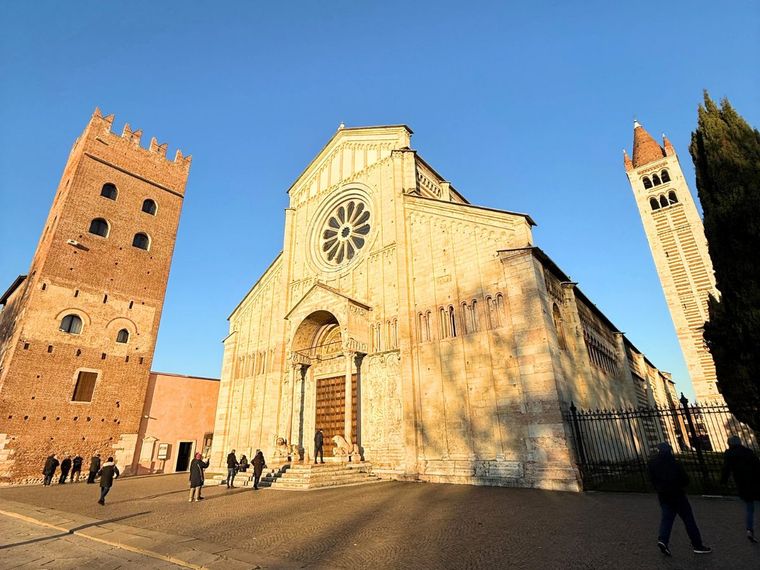
San Zeno's Basilica - Frontside
Device as a Window into the Cosmos
While modern technology has replaced the astrolabe’s practical functions, its intellectual and symbolic legacy endures. Today, surviving astrolabes are treasured as masterpieces of craftsmanship and as testimonies to a time when scientific inquiry and spiritual contemplation were deeply intertwined.
Verona’s Lost Masterpiece
Among these rare survivors, the San Zeno Astrolabe of Verona occupies a special place. Created in 1455 for the Benedictine abbey of San Zeno, it wasn't a handheld instrument but a monumental astronomical calendar, a fixed device that regulated the rhythm of monastic life. Its story is one of disappearance, rediscovery, and controversy, stretching across centuries and continents.
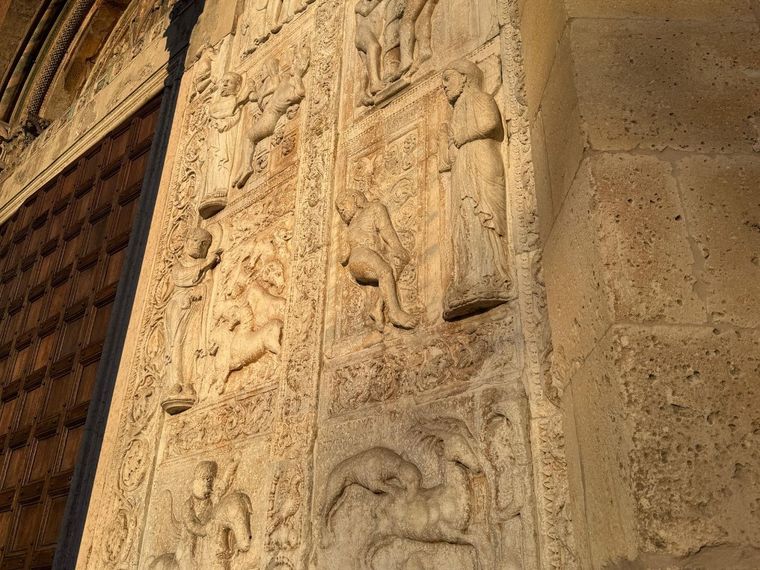
Details from the Basilica's entrance
Understanding the San Zeno Astrolabe
Unlike the portable brass astrolabes commonly found in museums, the San Zeno device was a large, wall‑mounted mechanism. It functioned as an astronomical calendar designed to guide the Benedictine monks, settled in the monastery adjacent to the basilica, in their daily observances.
It marked out their time and activities, taking into account the hours of the day, the month and the year, while observing the moon’s phases and the zodiac, liturgical feasts and the saints’ commemorations.

Spiritual frescoes - San Zeno's Basilica
A Monumental Calendar
In a monastic environment governed by the Rule of Saint Benedict, where prayer and work followed a precise and unchanging rhythm, such an instrument was indispensable.
It provided the monks with a reliable means of aligning their daily routine with the cycles of the heavens, ensuring that every hour of devotion, labor, and contemplation unfolded in harmony with the order they believed God had inscribed into the universe.
Rare Survivor of Medieval Scientific Art
The San Zeno Astrolabe predates most of Europe’s surviving astronomical clocks. Only two comparable devices exist: the Prague astronomical clock of 1490 and the clock of St. Mary’s Church in Gdańsk from 1460. Both have undergone extensive restoration after centuries of damage.
The San Zeno instrument, created in 1455, is therefore not only older, but also exceptionally rare. Its survival, despite centuries of upheaval, makes it a unique witness to the scientific culture of late medieval Italy.
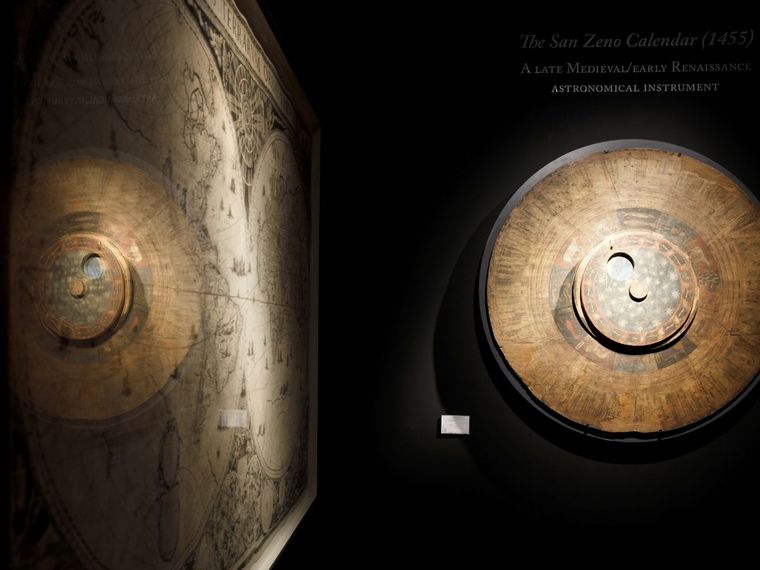
San Zeno Calendar from the cloister of San Zeno in Verona - Photo by Loraine Bodewes
A Debate Across Centuries
The precise original location of the astrolabe within the abbey complex has long been debated. The eighteenth‑century historian Giovanni Battista Biancolini described it as being installed in the cloister, specifically “in the wall of the loggia that leads from the dormitory to the choir and sacristy.”
This placement would have made it visible to monks as they moved between the essential spaces of their daily routine.
Traces Across the Basilica
Other accounts, including more recent ones, place the astrolabe inside the basilica itself, near the main altar on the left side. A painted mural quadrant of similar size still exists in that location today, close to Mantegna’s celebrated altarpiece.
Whether this painted quadrant was a companion to the mechanical device or a later replacement remains uncertain. What is clear is that the astrolabe was an integral part of the abbey’s intellectual and spiritual life.
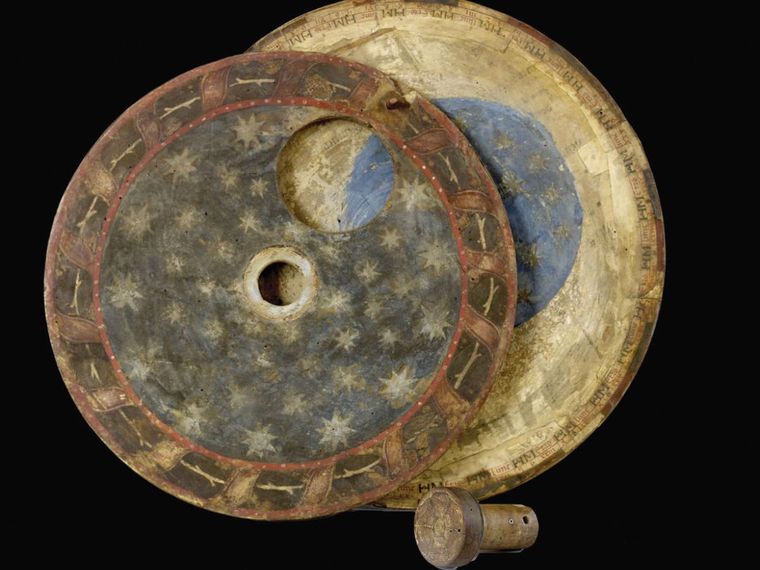
The astrolabe of San Zeno dissected
The First Disappearance: The Napoleonic Era
The astrolabe’s first disappearance is traditionally attributed to the Napoleonic plundering of the late eighteenth century. During this period, French forces confiscated countless artworks and ecclesiastical treasures, including Mantegna’s famous altarpiece from San Zeno.
A Vanishing Act without Documentation
It's tempting to assume that the astrolabe was taken at the same time. Yet no documentary evidence confirms this theory.
The absence of records leaves open the possibility that the instrument was removed earlier, sold quietly, or transferred under circumstances that went unrecorded. What is certain is that by the early nineteenth century, the sacred tool was no longer in the abbey.
The First Reappearance: The Cartolari Collection
The astrolabe resurfaced in Verona between the late nineteenth and early twentieth century, in the private collection of the noble Cartolari family. This rediscovery confirms that the instrument hadn't been permanently removed from Italy after the Napoleonic period. Unfortunately, the circumstances of its acquisition remain vague.
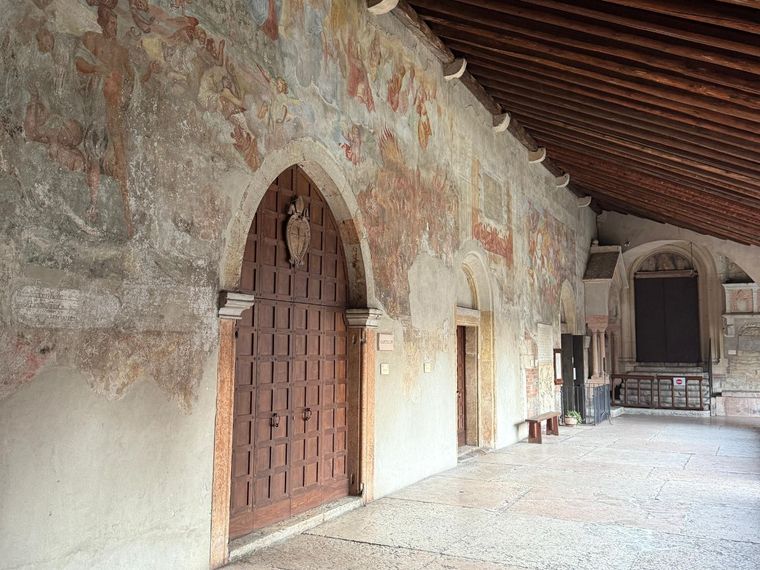
Inside the Basilica's secrets
The Cartolari, like many aristocratic families of the time, collected artworks and scientific instruments, and the astrolabe may have entered their possession through purchase, inheritance, or ecclesiastical dispersal. Its presence in their collection ensured its survival, but it also marked the beginning of a new phase of obscurity.
The Second Disappearance: The Twentieth Century
After its appearance in the Cartolari collection, the astrolabe vanished once more. It reemerged only in the 1990s, when attempts were made to auction it in London.
Both The Independent and the Veronese newspaper L’Arena reported on these auction attempts, which brought the tool to the attention of scholars and collectors. Yet even then, it didn't find a permanent home. It passed through private hands, its provenance known but its future uncertain.
The Maastricht Revelation
The most dramatic chapter in the astrolabe’s modern history began in Maastricht, at the prestigious TEFAF fair, one of the world’s leading events for art and antiques. There, among masterpieces spanning millennia, the San Zeno Astrolabe resurfaced.
It was presented by Daniel Crouch Rare Books, a London gallery specializing in rare maps and scientific instruments, and offered for £1.275 million, approximately €1.5 million.
The Return of a Lost Masterpiece
The discovery didn't come from an official institution, but from a private individual with friends in Verona who recognized the object and alerted local contacts. The news spread rapidly, igniting excitement and controversy in the city.
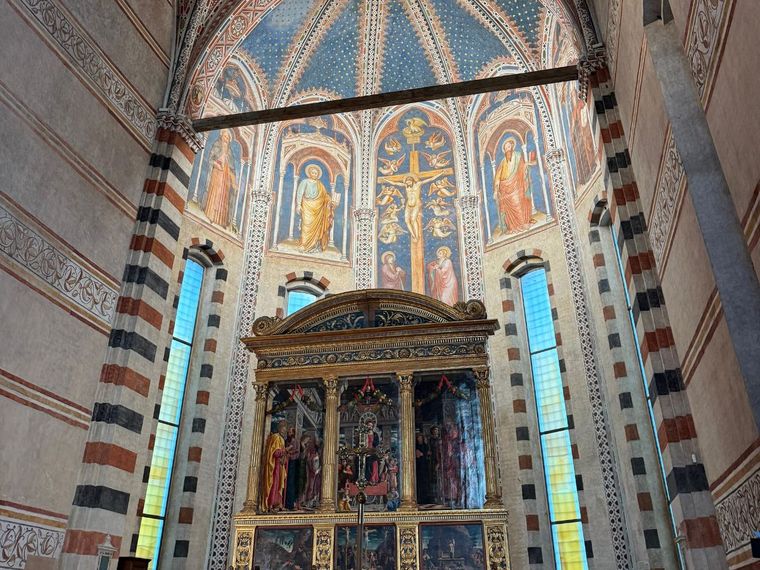
The Basilica's colourful altar
Cultural Heritage and the Question of Return
The rediscovery of the astrolabe sparked intense discussion in Verona. Local newspapers covered the story extensively, treating it almost like the sudden reappearance of a lost painting. Cultural figures, including critic Vittorio Sgarbi, commented on the situation, with him arguing that the asking price was too high for the object’s value. The Superintendence of Archaeology was informed, and even the Minister of Culture was reportedly made aware.
A Captured the City
Publishing detailed reports, interviews, and opinion pieces that treated the object’s reappearance almost like the sudden recovery of a long‑lost masterpiece. The tone of the coverage reflected a mixture of excitement, disbelief, and concern, as if the city had unexpectedly been confronted with a fragment of its own past returning from obscurity.
Voices from the Cultural Sphere
As briefly mentioned, critic Vittorio Sgarbi offered his characteristically provocative assessment, arguing that the price demanded for the astrolabe was disproportionate to its historical and artistic value.
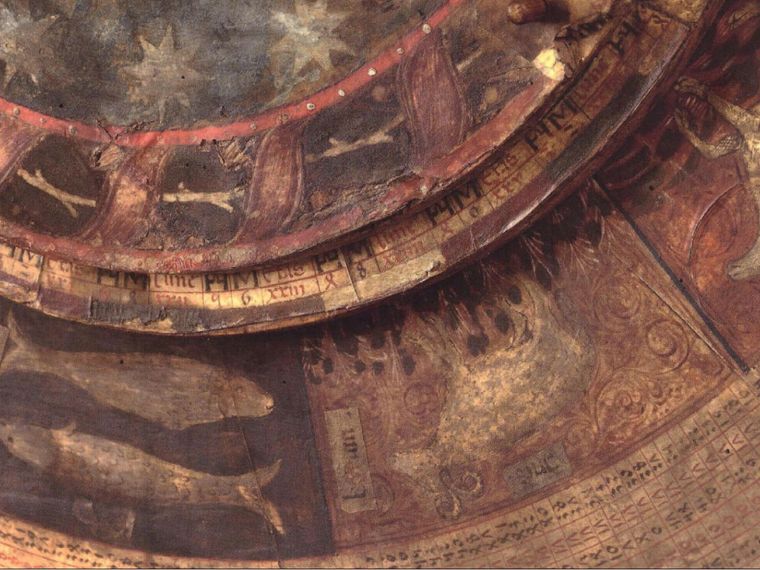
Details from the Astrolabe
His comments added fuel to an already lively public conversation, prompting further reflections on the nature of cultural heritage and the responsibilities of institutions and private collectors. Other scholars and art historians weighed in as well, some emphasizing the rarity of the object, others questioning the feasibility of its repatriation.
Institutional Reactions and Rising Stakes
The matter didn't remain confined to journalistic speculation. The Superintendence of Archaeology was promptly informed, initiating a formal evaluation of the astrolabe’s provenance and significance. Reports circulated that even the Minister of Culture had been made mindful of the situation, underscoring the national relevance the case had begun to assume.
The involvement of higher authorities signaled that the astrolabe was more than a curiosity rediscovered on the international art market; it was a piece of the city’s identity whose fate demanded careful consideration.
A Civic Question Beyond the Object Itself
As the story gained momentum, the debate expanded beyond the astrolabe’s monetary value or its potential return. It became a broader civic issue, raising questions about cultural restitution, public access, and the fragile journey of historical objects across time.
For many in Verona, the astrolabe’s reappearance served as a reminder of the city’s rich but vulnerable heritage, prompting renewed discussions about preservation, funding, and the role of private collectors in safeguarding the past.
Back to the Present
Many Veronese citizens and cultural associations called for the astrolabe to be purchased and returned to San Zeno. Verona is home to numerous wealthy patrons and foundations, and several expressed interest in supporting the acquisition.
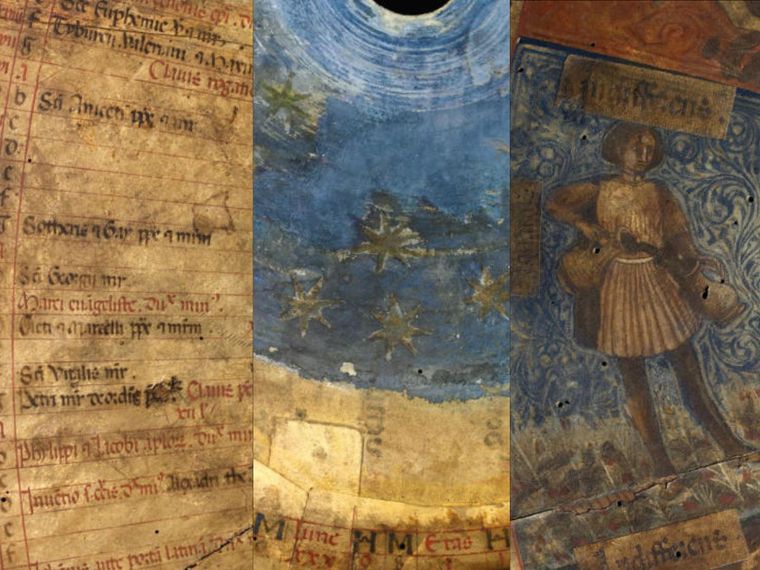
The Astrolabe's stunning details – From letters to stars
Yet the situation is complicated by the basilica’s urgent structural needs, particularly the deteriorating abbey tower, which requires significant restoration funds. Some argue that investing in the astrolabe would be irresponsible when the basilica itself faces pressing safety concerns. Others counter that the astrolabe represents a unique opportunity to reclaim a lost piece of Verona’s heritage.
A Bridge Between Science and Faith
The San Zeno Astrolabe embodies the medieval conviction that the cosmos was an ordered, intelligible system created by God. For the Benedictine monks, observing the heavens wasn’t merely a scientific activity, but a spiritual one.
The instrument allowed them to align their daily rhythms with the movements of the stars, reinforcing the connection between earthly life and celestial order.
Witness to Centuries of Change
The astrolabe survived the decline of monastic life, political upheavals, wars, and the shifting tides of the art market. Its repeated disappearances and reappearances reflect broader European narratives of loss, rediscovery, and the evolving value placed on cultural heritage.
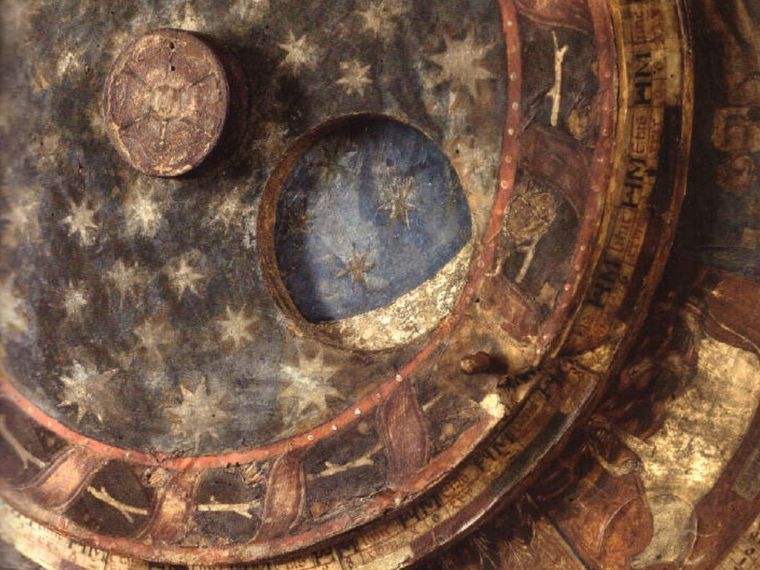
Stars and other figures
Why the San Zeno Astrolabe Deserves a Visit
Visiting the San Zeno Astrolabe, should it return to Verona or be displayed in a public institution, would offer far more than the chance to admire a rare medieval instrument. It would allow visitors to step into a world where science, art, and spirituality were inseparable.
Stepping Into a World Where Disciplines Converged
The mechanism embodies the intellectual curiosity of the fifteenth century, a period when monks, scholars, and craftsmen collaborated to understand the cosmos and translate its rhythms into the fabric of daily life.
Standing before it, one can sense the precision of its makers, the devotion of the monks who relied on it, and the centuries of history it has silently witnessed.
A Dialogue With the Basilica
For visitors to Verona, the astrolabe would also serve as a powerful complement to the Basilica of San Zeno itself. The basilica is one of the city’s most important Romanesque monuments, rich with frescoes, sculptures, and architectural details that span centuries.
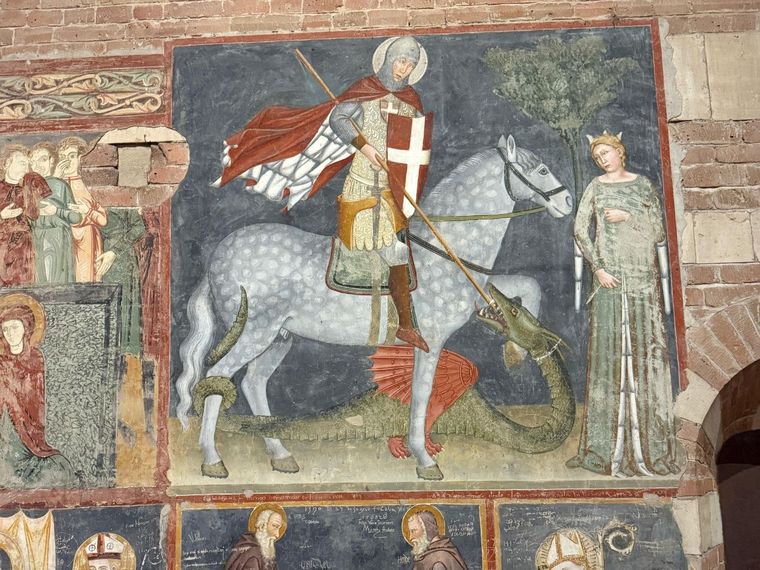
Frescoes from the Basilica
Encountering the astrolabe in this context would deepen the experience, revealing how the abbey once functioned not only as a place of worship but also as a center of scientific observation and cultural production. It would illuminate the daily life of the Benedictine community, offering a tangible link to the rhythms of medieval monasticism.
A Story Etched Across Centuries
Moreover, the astrolabe’s extraordinary journey– its disappearances, rediscoveries, and travels across Europe, adds a compelling narrative dimension. Visitors are often drawn not only to objects of beauty but to objects with stories, and the San Zeno Astrolabe possesses a story as intricate as its mechanisms.
To see it in person would be to witness a survivor of centuries of upheaval, a piece of Verona’s heritage that has wandered far from home and may yet return.
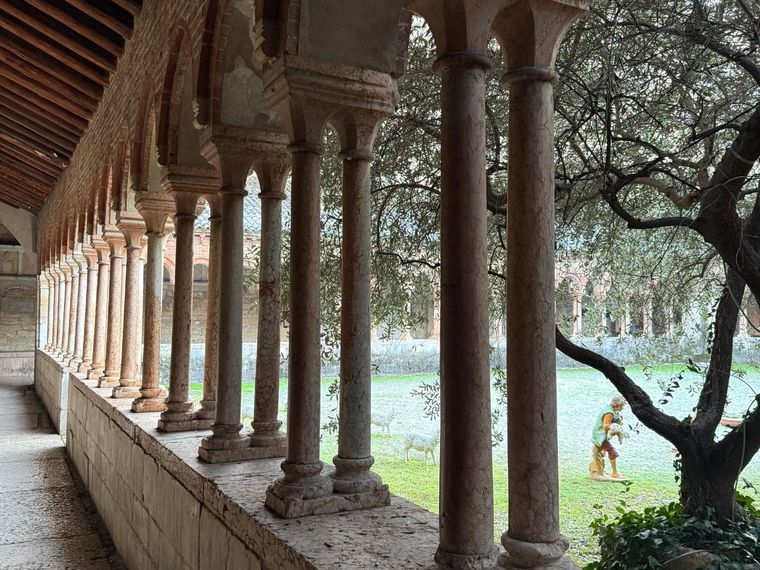
Heaven on Earth - San Zeno Basilica's Internal Garden
Reflections on Memory and Preservation
Finally, the astrolabe invites reflection on the broader themes of cultural memory and preservation. In an age when heritage objects can vanish into private collections or circulate anonymously through the art market, the opportunity to encounter such a piece publicly becomes all the more meaningful.
Even visiting the Basilica itself, with its imposing structure and beautifully crafted frescoes, would be an act of appreciation for the craftsmanship of the past and a gesture of support for the ongoing efforts to safeguard cultural treasures for future generations.
A Bridge Across Time
In this sense, the San Zeno neighbourhood is a bridge across time, a testament to human ingenuity, and a reminder of the delicate threads that connect us to our history. To stand before it is to witness the convergence of art, science, and faith, and to feel, however briefly, the pulse of a world that once measured its days by the movement of the stars.