Coronelli’s Epitome Cosmografica as a Window into 17th Century Cosmography
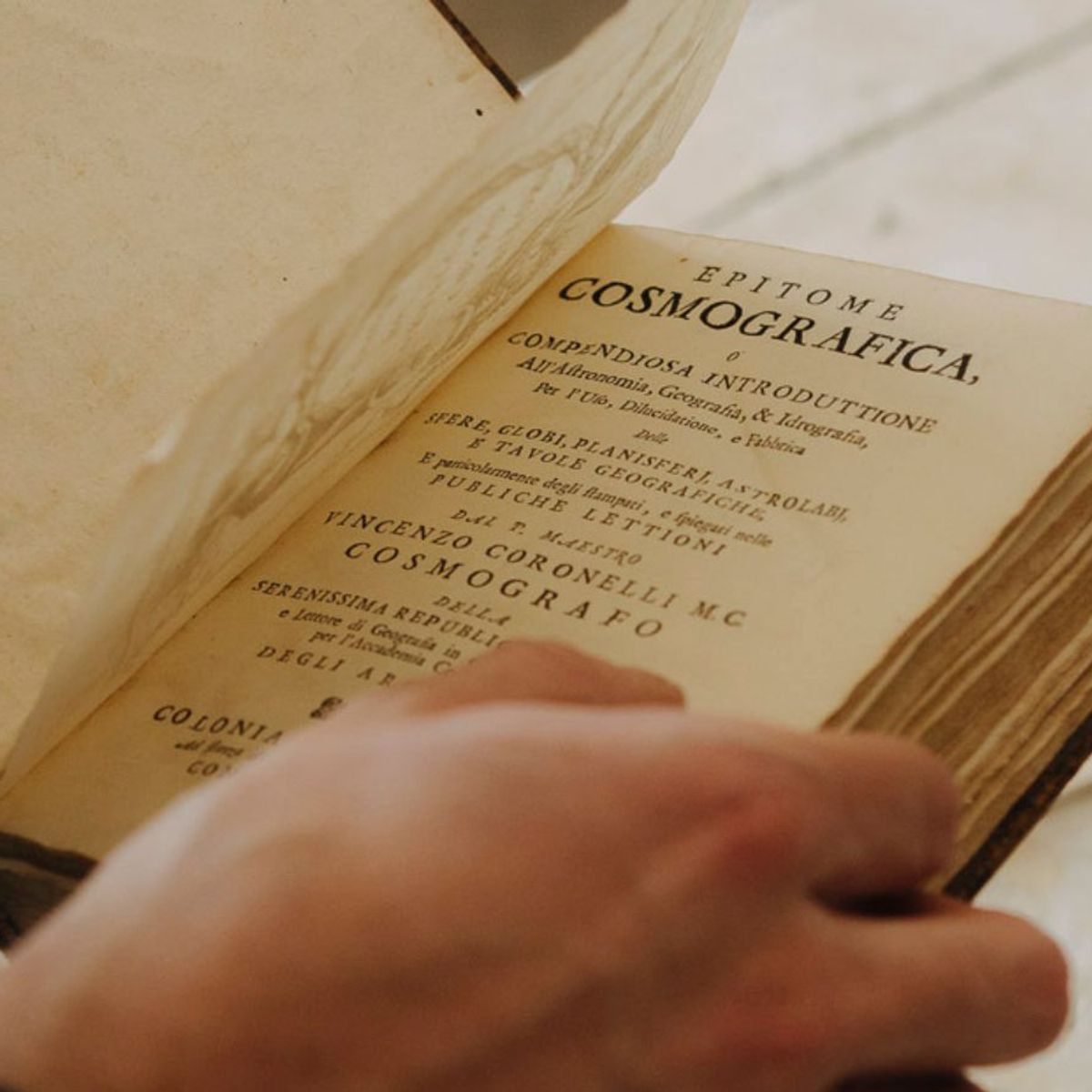
The Epitome Cosmografica, published in Venice in 1693 by Vincenzo Maria Coronelli, stands as one of the most fascinating compendia of early modern cosmography.
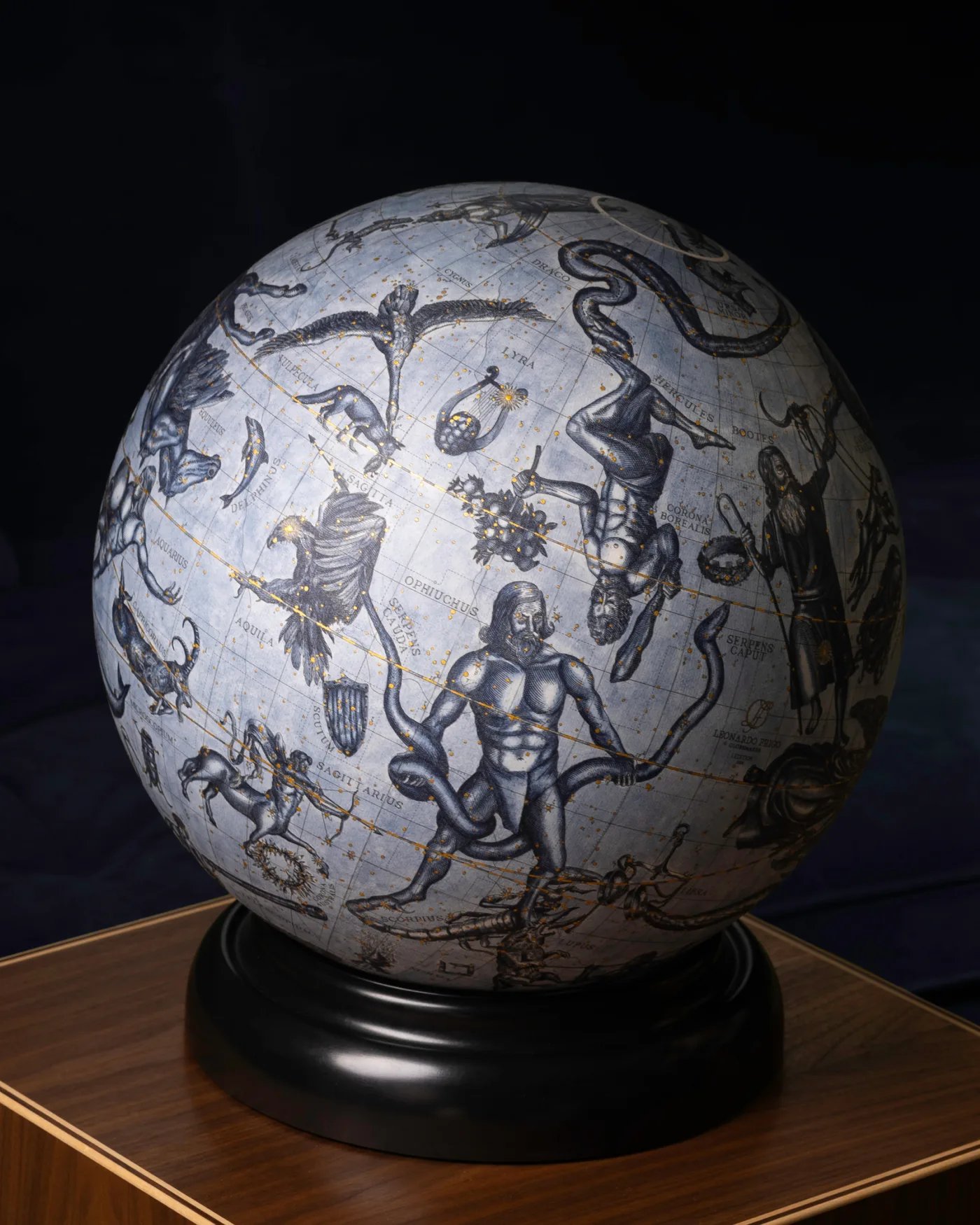
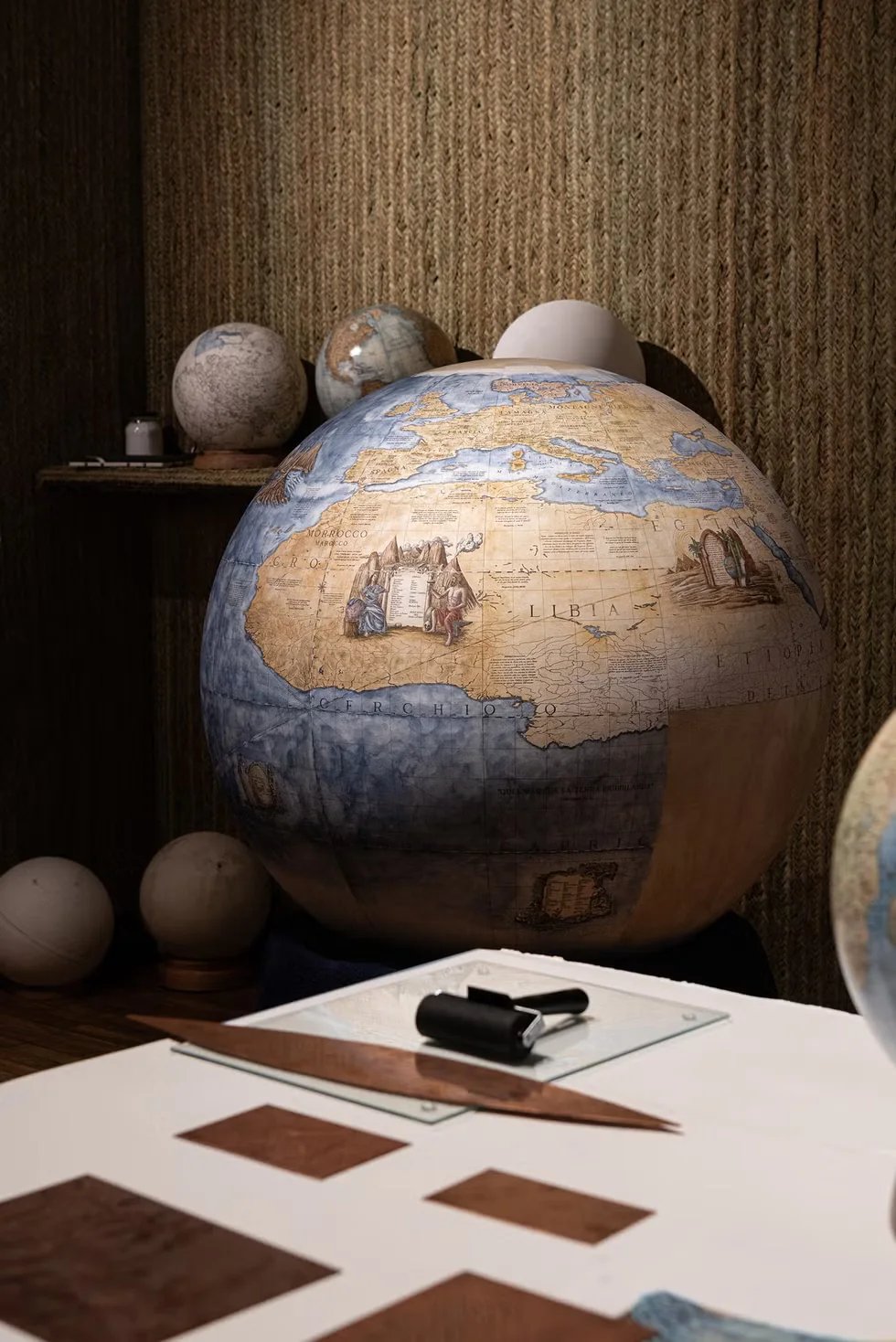
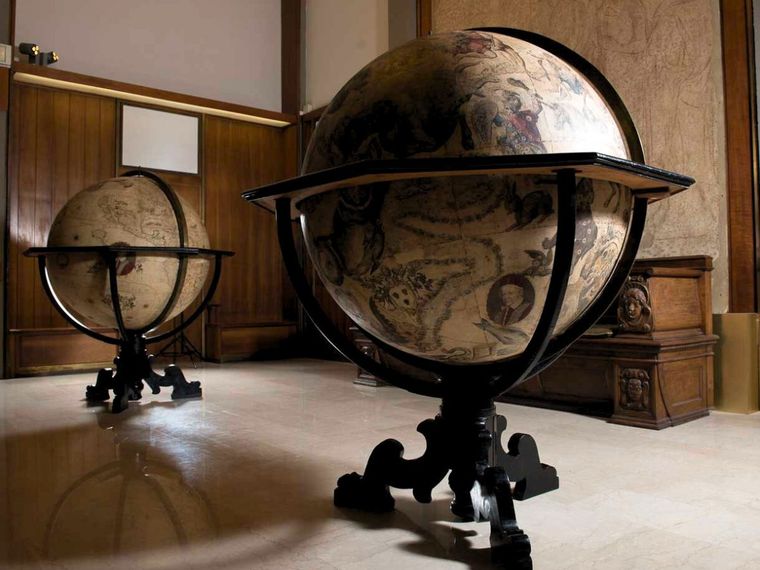
Coronelli, a Franciscan friar who made significant contributions as a cartographer and cosmographer, gained widespread recognition for his impressive monumental terrestrial and celestial globes, which showcased not only his artistic skill but also his deep understanding of geography and astronomy.
A Legacy of Different Works
Among his most notable works is the "Atlante Veneto," published in 1690, which serves as a comprehensive atlas of the world.
In addition, he also embarked on ambitious encyclopedic projects that aimed to consolidate and disseminate a wide range of knowledge about the natural and cultural world, further cementing his legacy in the fields of cartography and cosmography.
Yet, the Epitome Cosmografica occupies a distinctive place in his legacy as both a practical manual and a theoretical synthesis, developed to introduce readers to astronomy, geography, and hydrography while also serving as a guide to the construction and interpretation of globes, spheres, astrolabes, and maps.
Structure and Purpose of the Work
The cosmographer conceived the Epitome Cosmografica as a didactic text. Its subtitle describes it as a “compendiosa introduttione all’astronomia, geografia, & idrografia, per l’uso, dilucidatione, e fabbrica delle sfere, globi, planisferj, astrolabj, e tavole geografiche.”
In other words, it was intended not only to explain the principles of cosmography but also to provide practical instructions for artisans, scholars, and students engaged in the making or use of scientific instruments.

Main Purpose and Content
The text is divided into sections that trace the history of cosmological thought, beginning with Mesopotamian and Egyptian astronomy, moving through the Biblical cosmos, the spherical conception of the universe, Islamic contributions, Renaissance developments, and culminating in the telescopic discoveries of Galileo and the Newtonian synthesis.
Coronelli's narrative effectively situates modern science within a broader historical line, highlighting the evolution of scientific thought and discovery over time. By exploring the theme of innovation, he illustrates how each advancement builds upon previous knowledge, creating a dynamic interplay between past and present.
This perspective not only acknowledges the contributions of earlier scientists but also underscores how their pioneering ideas have laid the groundwork for current scientific challenges and breakthroughs. Through this lens, Coronelli invites readers to appreciate the correlation of scientific progress and the ongoing journey of investigation and understanding.
His Cosmographical Vision
At the heart of the Epitome Cosmografica lies Coronelli’s vision of cosmography as a synthesis of astronomy and geography.
For him, the studies of the heavens and the earth were inseparable. His globes, some of which reached an extraordinary fifteen feet in diameter and were dedicated to Louis XIV of France, exemplified this union of celestial and terrestrial knowledge.
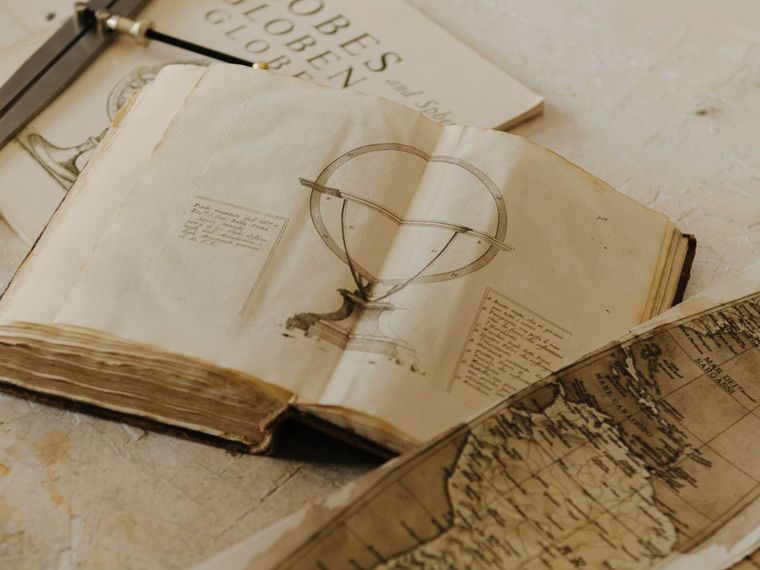
The Epitome translates this vision into writing, while offering readers schematic illustrations of different world systems, including the Ptolemaic geocentric model and the Copernican heliocentric hypothesis.
When Modernity Engages with the Past
Coronelli didn't shy away from presenting contesting cosmologies. His approach was encyclopedic and comparative, reflecting both his Franciscan background and the Venetian Republic’s openness to diverse currents of thought.
By integrating both ancient philosophies and contemporary scientific frameworks, he highlighted the ongoing human effort to comprehend the complexities of the universe.
This juxtaposition not only showcased the evolution of thought over time but also stressed the enduring curiosity that drives humanity to seek answers about our existence and the nature of the cosmos.
Practical Instruction and Technical Detail
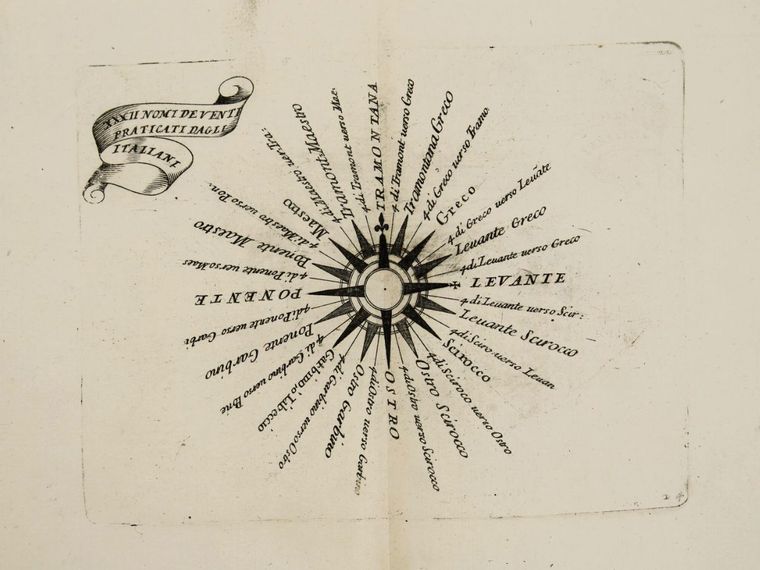
One of the most distinctive features of the Epitome Cosmografica is its practical orientation. Since Coronelli was a master craftsman of globes and maps, the text includes detailed explanations of how to construct and interpret instruments such as planispheres and astrolabes.
It also provides guidance on the fabrication of globes, including the mathematical and geometric principles required to project the spherical earth onto a flat surface.
This dual emphasis on theory and practice made the book especially valuable for artisans and scholars in late seventeenth-century Venice. It bridged the gap between abstract cosmological speculation and the tangible production of scientific tools.
Historical Context
The publication of the Epitome Cosmografica in 1693 coincided with a period of transition in European science.
The Copernican revolution had already reshaped astronomy, Galileo’s telescopic observations had challenged Aristotelian physics, and Newton’s Principia (1687) had introduced a new mathematical framework for celestial mechanics.
Incomplete Projects
Coronelli’s work reflects this transitional moment: while acknowledging the heliocentric model, maintains older cosmological traditions, presenting them side by side.
This eclecticism was characteristic of Coronelli’s broader intellectual project. His encyclopedia, "Biblioteca Universale Sacro-Profana", aimed to be a universal tool, though only seven of the planned twenty volumes were completed.
The Epitome can be seen as a precursor to his ambition, condensing vast amounts of cosmographical knowledge into a single accessible volume.
Between Legacy and Reflection
Coronelli's contributions to cosmography were immense. He produced nearly four hundred maps and charts, as well as dozens of globes of varying sizes. His globes were particularly celebrated for their artistic splendour, often resembling the ornate ceilings of Baroque churches. Yet, the Epitome ensured that his knowledge wasn't solely confined to monumental artefacts, but was also available in portable, printed form.
His work influenced the next generations of cartographers and cosmographers. It exemplifies the Baroque synthesis of art and science, where cosmography wasn't merely a technical discipline but also a cultural expression of humanity’s place in the universe.
The Epitome Cosmografica is a reflection of cosmographical thought in the seventeenth century. By blending historical narrative, theoretical exposition, and practical instruction, Coronelli created a work that embodies the richness of early modern science. It captures the tension between tradition and innovation, the interaction of theory and practice, and the combination of art and knowledge.
What We Gained from His Work
The text serves as a valuable resource for contemporary audiences, providing insight into a historical context where cosmography was both a scientific endeavour and an artistic practice intertwined with cultural significance.
Coronelli’s contributions extend beyond his creation of globes and maps; he successfully encapsulated the complexities of the cosmos in a comprehensive work that remains intriguing to scholars in modern times.